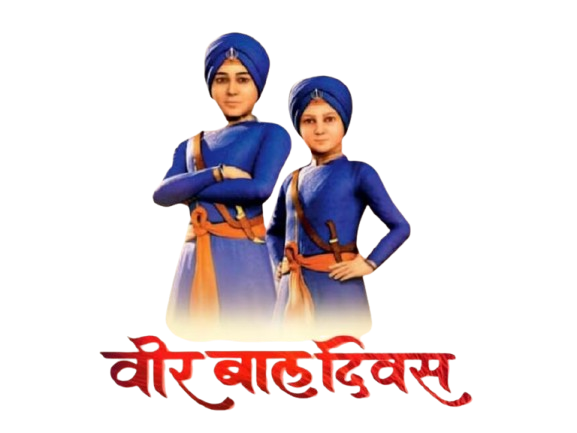
Veer Bal Diwas Tribute - hunar.fun

🙏 Veer Bal Diwas 🙏

Waheguru Ji: 0
Veer Bal Diwas 2025 - Tribute to Sahibzades
🙏 Click for Waheguru Simran 🙏
108 Waheguru JAAP. Complete the MALA
Share on WhatsApp
Veer Bal Diwas - History & Significance | ਵੀਰ ਬਾਲ ਦਿਵਸ
☬

Veer Bal Diwas

ਵੀਰ ਬਾਲ ਦਿਵਸ

26th December

Honoring the eternal sacrifice of the youngest martyrs in human history

The Four Sahibzade

ਚਾਰ ਸਾਹਿਬਜ਼ਾਦੇ

⚔️

ਬਾਬਾ ਅਜੀਤ ਸਿੰਘ ਜੀ

Baba Ajit Singh Ji

1687 - 1704

17 Years

The eldest son, a trained warrior who led the first charge at Chamkaur

Battle of Chamkaur

🗡️

ਬਾਬਾ ਜੁਝਾਰ ਸਿੰਘ ਜੀ

Baba Jujhar Singh Ji

1691 - 1704

13 Years

Skilled in martial arts, followed his brother's path of valor

Battle of Chamkaur

🌟

ਬਾਬਾ ਜ਼ੋਰਾਵਰ ਸਿੰਘ ਜੀ

Baba Zorawar Singh Ji

1696 - 1704

9 Years

Displayed remarkable courage, refused to convert despite threats

Martyred at Sirhind

✨

ਬਾਬਾ ਫ਼ਤਿਹ ਸਿੰਘ ਜੀ

Baba Fateh Singh Ji

1699 - 1704

6 Years

The youngest, stood firm in faith alongside his brother

Martyred at Sirhind

The Sacred Timeline

ਪਵਿੱਤਰ ਸਮਾਂ-ਰੇਖਾ

December 1704

Siege of Anandpur Sahib

After prolonged siege, Guru Gobind Singh Ji was forced to evacuate the fort with broken promises of safe passage.

December 20-21, 1704

Crossing of Sirsa River

During the chaotic night crossing of the flooded river, Guru Ji's family got separated.

December 22, 1704

Battle of Chamkaur

Elder Sahibzade, Baba Ajit Singh Ji and Baba Jujhar Singh Ji, attained martyrdom fighting against the Mughal army.

December 26, 1704

Tragedy at Sirhind

Younger Sahibzade, aged 9 and 6, were bricked alive for refusing to renounce their faith. Mata Gujri Ji also passed away.

🇬🇧

English Article

Introduction to Veer Bal Diwas

Veer Bal Diwas, observed on December 26th every year, is a day dedicated to commemorating the supreme sacrifice of the four Sahibzade (sons) of Guru Gobind Singh Ji, the tenth Sikh Guru. This day holds immense significance in Indian history and Sikh heritage, marking the martyrdom of the youngest martyrs known to mankind. The Government of India officially declared December 26th as Veer Bal Diwas in 2022, recognizing the unparalleled courage and sacrifice of these young warriors who chose death over compromising their faith.

The word "Veer" means brave or courageous, and "Bal" refers to children. Thus, Veer Bal Diwas translates to "The Day of Brave Children." This observance serves as a reminder of the extraordinary valor displayed by children who, despite their tender age, stood firm in the face of tyranny and persecution.

"The sacrifice of the Sahibzade represents the highest form of courage - where young children chose to embrace death rather than abandon their faith and principles."

Historical Background: The Era of Persecution

To understand the significance of Veer Bal Diwas, one must delve into the historical context of late 17th century India. The Mughal Empire, under Emperor Aurangzeb, had intensified its persecution of non-Muslims, particularly targeting Sikhs and Hindus. Aurangzeb was known for his religious intolerance and his mission to establish an Islamic state by forcibly converting people to Islam.

Guru Gobind Singh Ji, born in 1666, emerged as a defender of the oppressed and a champion of religious freedom. He founded the Khalsa in 1699, a community of saint-soldiers dedicated to protecting the innocent and fighting against injustice. This naturally brought him into conflict with the Mughal authorities and the Hill Rajas who had allied with them.

The Battle of Anandpur Sahib in 1704 marked a turning point. After prolonged siege and broken promises of safe passage by the Mughal forces, Guru Gobind Singh Ji was forced to evacuate the Anandpur Sahib fort with his family and followers. During the chaotic crossing of the flooded Sirsa river on the night of December 20-21, 1704, the Guru's family got separated.

The Battle of Chamkaur: Sacrifice of the Elder Sahibzade

After the separation at Sirsa, Guru Gobind Singh Ji, along with his elder sons Baba Ajit Singh Ji and Baba Jujhar Singh Ji, and about 40 Sikhs, took shelter in a mud fortress at Chamkaur. They were surrounded by a massive Mughal army numbering in hundreds of thousands.

On December 22, 1704, the Battle of Chamkaur took place. Despite being vastly outnumbered, the Sikhs fought with extraordinary bravery. Baba Ajit Singh Ji led the first charge, fighting valiantly before attaining martyrdom. Following his elder brother's footsteps, Baba Jujhar Singh Ji also charged into the battlefield and made the supreme sacrifice. Both brothers chose to die fighting rather than surrender.

"In ਤਨ ਮਨ ਧਨ ਸਭ ਸੌਂਪ ਗੁਰੂ ਕੋ, ਹੁਕਮ ਮਨਿਆ ਪਰਵਾਨ।"
They surrendered body, mind, and wealth to the Guru, accepting His will.

The Tragedy at Sirhind: The Younger Sahibzade

Meanwhile, Mata Gujri Ji (Guru Gobind Singh Ji's mother) and the younger Sahibzade, Baba Zorawar Singh Ji and Baba Fateh Singh Ji, were betrayed by their servant Gangu, who handed them over to the Mughal authorities for reward. They were taken to Sirhind and presented before Wazir Khan, the Faujdar (governor) of Sirhind.

The young princes were imprisoned in the Cold Tower (Thanda Burj) with their grandmother. Despite their confinement, Mata Gujri Ji continued to inspire them with stories of Sikh heroes and the importance of standing firm in their faith.

On December 26, 1704, Baba Zorawar Singh Ji and Baba Fateh Singh Ji were brought before Wazir Khan's court. They were offered riches, power, and safety if they would renounce their faith and accept Islam. The young princes, aged 9 and 6, refused with remarkable courage and conviction. When asked what they wanted, they reportedly declared their desire to rebuild Sikh shrines that had been destroyed and to continue their grandfather's and father's mission of protecting the innocent.

Enraged by their refusal, Wazir Khan ordered the children to be bricked up alive. The young Sahibzade remained calm and recited prayers as walls were built around them. Legend says that when the wall reached their chests, they were asked one final time to convert. They refused. The wall continued to rise until the children attained martyrdom.

Mata Gujri Ji's Sacrifice

Upon hearing of her grandsons' martyrdom, Mata Gujri Ji, who had been a pillar of strength throughout the ordeal, passed away. Her sacrifice and the way she prepared the young Sahibzade for their ultimate test remain an inspiration for generations.

Legacy and Significance

The martyrdom of the Sahibzade holds profound significance for several reasons. First, it demonstrates that courage and conviction know no age limits. These children, particularly the younger two, showed that righteousness and faith can triumph over fear and temptation. Second, their sacrifice prevented the Mughal Empire from claiming a symbolic victory by forcing the Guru's family to convert. Third, their martyrdom galvanized the Sikh community and strengthened the resolve to fight against tyranny.

The sacrifice inspired countless others to join the fight for freedom and religious liberty. It established a precedent that Sikhs would never compromise their faith, regardless of the consequences. This spirit eventually contributed to the decline of Mughal persecution and the establishment of the Sikh Empire under Maharaja Ranjit Singh in the 19th century.

Modern Observance of Veer Bal Diwas

Today, Veer Bal Diwas is observed across India and by Sikh communities worldwide. Special prayers (Ardas) are offered in Gurdwaras, and the story of the Sahibzade is narrated to inspire younger generations. Schools and educational institutions organize programs to teach children about these brave souls. The day serves as a reminder that courage, conviction, and sacrifice are timeless values that transcend religious boundaries.

The official recognition by the Government of India has given this observance national importance, ensuring that the sacrifice of these young martyrs is remembered and honored by all Indians, regardless of their faith. It stands as a testament to the secular fabric of India, which honors sacrifice and courage from all communities.

The Sahibzade's sacrifice teaches us that true victory lies not in survival at any cost, but in living and dying for principles that are greater than oneself.
☬
🇮🇳

ਪੰਜਾਬੀ ਲੇਖ

ਵੀਰ ਬਾਲ ਦਿਵਸ ਦੀ ਜਾਣ-ਪਛਾਣ

ਵੀਰ ਬਾਲ ਦਿਵਸ, ਜੋ ਹਰ ਸਾਲ 26 ਦਸੰਬਰ ਨੂੰ ਮਨਾਇਆ ਜਾਂਦਾ ਹੈ, ਦਸਵੇਂ ਸਿੱਖ ਗੁਰੂ, ਸ੍ਰੀ ਗੁਰੂ ਗੋਬਿੰਦ ਸਿੰਘ ਜੀ ਦੇ ਚਾਰ ਸਾਹਿਬਜ਼ਾਦਿਆਂ (ਪੁੱਤਰਾਂ) ਦੀ ਸਰਵਉੱਚ ਕੁਰਬਾਨੀ ਨੂੰ ਸਮਰਪਿਤ ਦਿਨ ਹੈ। ਇਹ ਦਿਨ ਭਾਰਤੀ ਇਤਿਹਾਸ ਅਤੇ ਸਿੱਖ ਵਿਰਾਸਤ ਵਿੱਚ ਬਹੁਤ ਮਹੱਤਵ ਰੱਖਦਾ ਹੈ, ਜੋ ਮਨੁੱਖਤਾ ਦੇ ਸਭ ਤੋਂ ਛੋਟੀ ਉਮਰ ਦੇ ਸ਼ਹੀਦਾਂ ਦੀ ਸ਼ਹਾਦਤ ਨੂੰ ਦਰਸਾਉਂਦਾ ਹੈ। ਭਾਰਤ ਸਰਕਾਰ ਨੇ 2022 ਵਿੱਚ 26 ਦਸੰਬਰ ਨੂੰ ਅਧਿਕਾਰਤ ਤੌਰ 'ਤੇ ਵੀਰ ਬਾਲ ਦਿਵਸ ਘੋਸ਼ਿਤ ਕੀਤਾ, ਇਨ੍ਹਾਂ ਨੌਜਵਾਨ ਯੋਧਿਆਂ ਦੀ ਬੇਮਿਸਾਲ ਬਹਾਦਰੀ ਅਤੇ ਕੁਰਬਾਨੀ ਨੂੰ ਮਾਨਤਾ ਦਿੰਦਿਆਂ ਜਿਨ੍ਹਾਂ ਨੇ ਆਪਣੇ ਧਰਮ ਨਾਲ ਸਮਝੌਤਾ ਕਰਨ ਦੀ ਬਜਾਏ ਮੌਤ ਨੂੰ ਚੁਣਿਆ।

"ਵੀਰ" ਸ਼ਬਦ ਦਾ ਅਰਥ ਹੈ ਬਹਾਦਰ ਜਾਂ ਦਲੇਰ, ਅਤੇ "ਬਾਲ" ਬੱਚਿਆਂ ਨੂੰ ਦਰਸਾਉਂਦਾ ਹੈ। ਇਸ ਤਰ੍ਹਾਂ, ਵੀਰ ਬਾਲ ਦਿਵਸ ਦਾ ਅਰਥ ਹੈ "ਬਹਾਦਰ ਬੱਚਿਆਂ ਦਾ ਦਿਨ।" ਇਹ ਯਾਦਗਾਰ ਉਨ੍ਹਾਂ ਬੱਚਿਆਂ ਦੁਆਰਾ ਦਿਖਾਈ ਗਈ ਅਸਾਧਾਰਨ ਬਹਾਦਰੀ ਦੀ ਯਾਦ ਦਿਵਾਉਂਦੀ ਹੈ ਜੋ, ਆਪਣੀ ਕੋਮਲ ਉਮਰ ਦੇ ਬਾਵਜੂਦ, ਜ਼ੁਲਮ ਅਤੇ ਅਤਿਆਚਾਰ ਦੇ ਸਾਹਮਣੇ ਡਟੇ ਰਹੇ।

"ਸਾਹਿਬਜ਼ਾਦਿਆਂ ਦੀ ਕੁਰਬਾਨੀ ਬਹਾਦਰੀ ਦਾ ਸਭ ਤੋਂ ਉੱਚਾ ਰੂਪ ਦਰਸਾਉਂਦੀ ਹੈ - ਜਿੱਥੇ ਛੋਟੇ ਬੱਚਿਆਂ ਨੇ ਆਪਣੇ ਧਰਮ ਅਤੇ ਸਿਧਾਂਤਾਂ ਨੂੰ ਛੱਡਣ ਦੀ ਬਜਾਏ ਮੌਤ ਨੂੰ ਗਲੇ ਲਗਾਉਣਾ ਚੁਣਿਆ।"

ਇਤਿਹਾਸਕ ਪਿਛੋਕੜ: ਜ਼ੁਲਮ ਦਾ ਯੁੱਗ

ਵੀਰ ਬਾਲ ਦਿਵਸ ਦੀ ਮਹੱਤਤਾ ਨੂੰ ਸਮਝਣ ਲਈ, ਕਿਸੇ ਨੂੰ 17ਵੀਂ ਸਦੀ ਦੇ ਅਖ਼ੀਰਲੇ ਭਾਰਤ ਦੇ ਇਤਿਹਾਸਕ ਸੰਦਰਭ ਵਿੱਚ ਜਾਣਾ ਚਾਹੀਦਾ ਹੈ। ਮੁਗ਼ਲ ਸਾਮਰਾਜ ਨੇ, ਬਾਦਸ਼ਾਹ ਔਰੰਗਜ਼ੇਬ ਦੇ ਅਧੀਨ, ਗੈਰ-ਮੁਸਲਮਾਨਾਂ, ਖਾਸ ਕਰਕੇ ਸਿੱਖਾਂ ਅਤੇ ਹਿੰਦੂਆਂ 'ਤੇ ਆਪਣਾ ਅਤਿਆਚਾਰ ਤੇਜ਼ ਕਰ ਦਿੱਤਾ ਸੀ। ਔਰੰਗਜ਼ੇਬ ਆਪਣੀ ਧਾਰਮਿਕ ਅਸਹਿਣਸ਼ੀਲਤਾ ਅਤੇ ਲੋਕਾਂ ਨੂੰ ਜ਼ਬਰਦਸਤੀ ਇਸਲਾਮ ਵਿੱਚ ਤਬਦੀਲ ਕਰਕੇ ਇਸਲਾਮੀ ਰਾਜ ਸਥਾਪਿਤ ਕਰਨ ਦੇ ਆਪਣੇ ਮਿਸ਼ਨ ਲਈ ਜਾਣਿਆ ਜਾਂਦਾ ਸੀ।

ਸ੍ਰੀ ਗੁਰੂ ਗੋਬਿੰਦ ਸਿੰਘ ਜੀ, ਜਿਨ੍ਹਾਂ ਦਾ ਜਨਮ 1666 ਵਿੱਚ ਹੋਇਆ, ਜ਼ੁਲਮ ਦੇ ਸ਼ਿਕਾਰਾਂ ਦੇ ਰਾਖੇ ਅਤੇ ਧਾਰਮਿਕ ਆਜ਼ਾਦੀ ਦੇ ਚੈਂਪੀਅਨ ਵਜੋਂ ਉਭਰੇ। ਉਨ੍ਹਾਂ ਨੇ 1699 ਵਿੱਚ ਖ਼ਾਲਸਾ ਦੀ ਸਿਰਜਣਾ ਕੀਤੀ, ਸੰਤ-ਸਿਪਾਹੀਆਂ ਦਾ ਇੱਕ ਭਾਈਚਾਰਾ ਜੋ ਮਾਸੂਮਾਂ ਦੀ ਰੱਖਿਆ ਅਤੇ ਅਨਿਆਂ ਵਿਰੁੱਧ ਲੜਨ ਲਈ ਸਮਰਪਿਤ ਸੀ। ਇਸ ਨਾਲ ਕੁਦਰਤੀ ਤੌਰ 'ਤੇ ਉਹ ਮੁਗ਼ਲ ਅਧਿਕਾਰੀਆਂ ਅਤੇ ਉਨ੍ਹਾਂ ਨਾਲ ਮਿਲੇ ਪਹਾੜੀ ਰਾਜਿਆਂ ਨਾਲ ਟਕਰਾਅ ਵਿੱਚ ਆ ਗਏ।

1704 ਵਿੱਚ ਆਨੰਦਪੁਰ ਸਾਹਿਬ ਦੀ ਲੜਾਈ ਇੱਕ ਮੋੜ ਸੀ। ਲੰਬੀ ਘੇਰਾਬੰਦੀ ਅਤੇ ਮੁਗ਼ਲ ਫ਼ੌਜਾਂ ਦੁਆਰਾ ਸੁਰੱਖਿਅਤ ਰਾਹ ਦੇਣ ਦੇ ਟੁੱਟੇ ਵਾਅਦਿਆਂ ਤੋਂ ਬਾਅਦ, ਗੁਰੂ ਗੋਬਿੰਦ ਸਿੰਘ ਜੀ ਨੂੰ ਆਪਣੇ ਪਰਿਵਾਰ ਅਤੇ ਸਿੱਖਾਂ ਨਾਲ ਆਨੰਦਪੁਰ ਸਾਹਿਬ ਦੇ ਕਿਲ੍ਹੇ ਨੂੰ ਖਾਲੀ ਕਰਨ ਲਈ ਮਜਬੂਰ ਹੋਣਾ ਪਿਆ। 20-21 ਦਸੰਬਰ 1704 ਦੀ ਰਾਤ ਨੂੰ ਹੜ੍ਹ ਨਾਲ ਭਰੀ ਸਿਰਸਾ ਨਦੀ ਪਾਰ ਕਰਦੇ ਸਮੇਂ ਅਫ਼ਰਾ-ਤਫ਼ਰੀ ਵਿੱਚ, ਗੁਰੂ ਜੀ ਦਾ ਪਰਿਵਾਰ ਵੱਖ ਹੋ ਗਿਆ।

ਚਾਰ ਸਾਹਿਬਜ਼ਾਦੇ

ਸ੍ਰੀ ਗੁਰੂ ਗੋਬਿੰਦ ਸਿੰਘ ਜੀ ਦੇ ਚਾਰ ਪੁੱਤਰ ਸਨ, ਜਿਨ੍ਹਾਂ ਨੂੰ ਚਾਰ ਸਾਹਿਬਜ਼ਾਦੇ ਕਿਹਾ ਜਾਂਦਾ ਹੈ:

ਬਾਬਾ ਅਜੀਤ ਸਿੰਘ ਜੀ (1687-1704) - ਸਭ ਤੋਂ ਵੱਡੇ ਪੁੱਤਰ, ਸ਼ਹਾਦਤ ਸਮੇਂ 17 ਸਾਲ ਦੇ ਸਨ। ਉਹ ਇੱਕ ਸਿਖਲਾਈ ਪ੍ਰਾਪਤ ਯੋਧਾ ਸਨ ਜੋ ਪਹਿਲਾਂ ਹੀ ਆਪਣੇ ਪਿਤਾ ਜੀ ਨਾਲ ਕਈ ਲੜਾਈਆਂ ਵਿੱਚ ਹਿੱਸਾ ਲੈ ਚੁੱਕੇ ਸਨ।

ਬਾਬਾ ਜੁਝਾਰ ਸਿੰਘ ਜੀ (1691-1704) - ਦੂਜੇ ਪੁੱਤਰ, 13 ਸਾਲ ਦੇ ਸਨ। ਆਪਣੇ ਵੱਡੇ ਭਰਾ ਵਾਂਗ, ਉਹ ਜੰਗੀ ਕਲਾਵਾਂ ਵਿੱਚ ਨਿਪੁੰਨ ਅਤੇ ਸਿੱਖ ਸਿਧਾਂਤਾਂ ਪ੍ਰਤੀ ਡੂੰਘੀ ਸ਼ਰਧਾ ਰੱਖਦੇ ਸਨ।

ਬਾਬਾ ਜ਼ੋਰਾਵਰ ਸਿੰਘ ਜੀ (1696-1704) - ਤੀਜੇ ਪੁੱਤਰ, ਸਿਰਫ਼ 9 ਸਾਲ ਦੇ ਸਨ। ਆਪਣੀ ਛੋਟੀ ਉਮਰ ਦੇ ਬਾਵਜੂਦ, ਉਨ੍ਹਾਂ ਨੇ ਕਮਾਲ ਦੀ ਹਿੰਮਤ ਅਤੇ ਸਿਆਣਪ ਦਿਖਾਈ।

ਬਾਬਾ ਫ਼ਤਿਹ ਸਿੰਘ ਜੀ (1699-1704) - ਸਭ ਤੋਂ ਛੋਟੇ ਪੁੱਤਰ, ਸਿਰਫ਼ 6 ਸਾਲ ਦੇ ਸਨ। ਇੰਨੀ ਕੋਮਲ ਉਮਰ ਵਿੱਚ ਉਨ੍ਹਾਂ ਦੀ ਸ਼ਹਾਦਤ ਉਨ੍ਹਾਂ ਦੀ ਕੁਰਬਾਨੀ ਨੂੰ ਹੋਰ ਵੀ ਮਾਰਮਿਕ ਬਣਾਉਂਦੀ ਹੈ।

ਚਮਕੌਰ ਦੀ ਜੰਗ: ਵੱਡੇ ਸਾਹਿਬਜ਼ਾਦਿਆਂ ਦੀ ਕੁਰਬਾਨੀ

ਸਿਰਸਾ ਵਿਖੇ ਵਿਛੋੜੇ ਤੋਂ ਬਾਅਦ, ਸ੍ਰੀ ਗੁਰੂ ਗੋਬਿੰਦ ਸਿੰਘ ਜੀ ਨੇ, ਆਪਣੇ ਵੱਡੇ ਪੁੱਤਰਾਂ ਬਾਬਾ ਅਜੀਤ ਸਿੰਘ ਜੀ ਅਤੇ ਬਾਬਾ ਜੁਝਾਰ ਸਿੰਘ ਜੀ ਅਤੇ ਲਗਭਗ 40 ਸਿੱਖਾਂ ਨਾਲ, ਚਮਕੌਰ ਦੀ ਇੱਕ ਕੱਚੀ ਗੜ੍ਹੀ ਵਿੱਚ ਪਨਾਹ ਲਈ। ਉਹ ਲੱਖਾਂ ਦੀ ਗਿਣਤੀ ਵਾਲੀ ਵਿਸ਼ਾਲ ਮੁਗ਼ਲ ਫ਼ੌਜ ਨਾਲ ਘਿਰੇ ਹੋਏ ਸਨ।

22 ਦਸੰਬਰ 1704 ਨੂੰ ਚਮਕੌਰ ਦੀ ਜੰਗ ਹੋਈ। ਗਿਣਤੀ ਵਿੱਚ ਬਹੁਤ ਘੱਟ ਹੋਣ ਦੇ ਬਾਵਜੂਦ, ਸਿੱਖਾਂ ਨੇ ਅਸਾਧਾਰਨ ਬਹਾਦਰੀ ਨਾਲ ਲੜਾਈ ਕੀਤੀ। ਬਾਬਾ ਅਜੀਤ ਸਿੰਘ ਜੀ ਨੇ ਪਹਿਲਾ ਹਮਲਾ ਕੀਤਾ, ਬਹਾਦਰੀ ਨਾਲ ਲੜਦੇ ਹੋਏ ਸ਼ਹਾਦਤ ਪ੍ਰਾਪਤ ਕੀਤੀ। ਆਪਣੇ ਵੱਡੇ ਭਰਾ ਦੇ ਪੈਰਾਂ 'ਤੇ ਚੱਲਦਿਆਂ, ਬਾਬਾ ਜੁਝਾਰ ਸਿੰਘ ਜੀ ਨੇ ਵੀ ਮੈਦਾਨ-ਏ-ਜੰਗ ਵਿੱਚ ਵੱਧ ਕੇ ਸਰਵਉੱਚ ਕੁਰਬਾਨੀ ਦਿੱਤੀ। ਦੋਵਾਂ ਭਰਾਵਾਂ ਨੇ ਸਮਰਪਣ ਕਰਨ ਦੀ ਬਜਾਏ ਲੜਦੇ ਹੋਏ ਮਰਨਾ ਚੁਣਿਆ।

"ਤਨ ਮਨ ਧਨ ਸਭ ਸੌਂਪ ਗੁਰੂ ਕੋ, ਹੁਕਮ ਮਨਿਆ ਪਰਵਾਨ।"
ਉਨ੍ਹਾਂ ਨੇ ਤਨ, ਮਨ ਅਤੇ ਧਨ ਸਭ ਗੁਰੂ ਨੂੰ ਸੌਂਪ ਦਿੱਤਾ, ਉਨ੍ਹਾਂ ਦਾ ਹੁਕਮ ਮੰਨਿਆ।

ਸਰਹਿੰਦ ਵਿਖੇ ਦੁਖਾਂਤ: ਛੋਟੇ ਸਾਹਿਬਜ਼ਾਦੇ

ਇਸ ਦੌਰਾਨ, ਮਾਤਾ ਗੁਜਰੀ ਜੀ (ਸ੍ਰੀ ਗੁਰੂ ਗੋਬਿੰਦ ਸਿੰਘ ਜੀ ਦੀ ਮਾਤਾ) ਅਤੇ ਛੋਟੇ ਸਾਹਿਬਜ਼ਾਦੇ, ਬਾਬਾ ਜ਼ੋਰਾਵਰ ਸਿੰਘ ਜੀ ਅਤੇ ਬਾਬਾ ਫ਼ਤਿਹ ਸਿੰਘ ਜੀ, ਨੂੰ ਉਨ੍ਹਾਂ ਦੇ ਨੌਕਰ ਗੰਗੂ ਨੇ ਧੋਖਾ ਦੇ ਕੇ ਇਨਾਮ ਲਈ ਮੁਗ਼ਲ ਅਧਿਕਾਰੀਆਂ ਦੇ ਹਵਾਲੇ ਕਰ ਦਿੱਤਾ। ਉਨ੍ਹਾਂ ਨੂੰ ਸਰਹਿੰਦ ਲਿਜਾਇਆ ਗਿਆ ਅਤੇ ਸਰਹਿੰਦ ਦੇ ਫ਼ੌਜਦਾਰ (ਗਵਰਨਰ) ਵਜ਼ੀਰ ਖ਼ਾਨ ਦੇ ਸਾਹਮਣੇ ਪੇਸ਼ ਕੀਤਾ ਗਿਆ।

ਛੋਟੇ ਰਾਜਕੁਮਾਰਾਂ ਨੂੰ ਆਪਣੀ ਦਾਦੀ ਨਾਲ ਠੰਡੇ ਬੁਰਜ ਵਿੱਚ ਕੈਦ ਕਰ ਦਿੱਤਾ ਗਿਆ। ਕੈਦ ਦੇ ਬਾਵਜੂਦ, ਮਾਤਾ ਗੁਜਰੀ ਜੀ ਉਨ੍ਹਾਂ ਨੂੰ ਸਿੱਖ ਨਾਇਕਾਂ ਦੀਆਂ ਕਹਾਣੀਆਂ ਅਤੇ ਆਪਣੇ ਧਰਮ ਵਿੱਚ ਪੱਕੇ ਰਹਿਣ ਦੀ ਮਹੱਤਤਾ ਨਾਲ ਉਤਸ਼ਾਹਿਤ ਕਰਦੀ ਰਹੀ।

26 ਦਸੰਬਰ 1704 ਨੂੰ, ਬਾਬਾ ਜ਼ੋਰਾਵਰ ਸਿੰਘ ਜੀ ਅਤੇ ਬਾਬਾ ਫ਼ਤਿਹ ਸਿੰਘ ਜੀ ਨੂੰ ਵਜ਼ੀਰ ਖ਼ਾਨ ਦੇ ਦਰਬਾਰ ਵਿੱਚ ਲਿਆਂਦਾ ਗਿਆ। ਉਨ੍ਹਾਂ ਨੂੰ ਧਨ-ਦੌਲਤ, ਤਾਕਤ ਅਤੇ ਸੁਰੱਖਿਆ ਦੀ ਪੇਸ਼ਕਸ਼ ਕੀਤੀ ਗਈ ਜੇਕਰ ਉਹ ਆਪਣਾ ਧਰਮ ਛੱਡ ਕੇ ਇਸਲਾਮ ਕਬੂਲ ਕਰ ਲੈਣ। 9 ਅਤੇ 6 ਸਾਲ ਦੀ ਉਮਰ ਦੇ ਛੋਟੇ ਰਾਜਕੁਮਾਰਾਂ ਨੇ ਅਸਾਧਾਰਨ ਹਿੰਮਤ ਅਤੇ ਵਿਸ਼ਵਾਸ ਨਾਲ ਇਨਕਾਰ ਕਰ ਦਿੱਤਾ। ਜਦੋਂ ਪੁੱਛਿਆ ਗਿਆ ਕਿ ਉਹ ਕੀ ਚਾਹੁੰਦੇ ਹਨ, ਤਾਂ ਉਨ੍ਹਾਂ ਨੇ ਕਥਿਤ ਤੌਰ 'ਤੇ ਢਾਹੇ ਗਏ ਸਿੱਖ ਗੁਰਦੁਆਰਿਆਂ ਨੂੰ ਦੁਬਾਰਾ ਬਣਾਉਣ ਅਤੇ ਆਪਣੇ ਦਾਦਾ ਅਤੇ ਪਿਤਾ ਦੇ ਮਾਸੂਮਾਂ ਦੀ ਰੱਖਿਆ ਦੇ ਮਿਸ਼ਨ ਨੂੰ ਜਾਰੀ ਰੱਖਣ ਦੀ ਇੱਛਾ ਪ੍ਰਗਟ ਕੀਤੀ।

ਉਨ੍ਹਾਂ ਦੇ ਇਨਕਾਰ ਤੋਂ ਗੁੱਸੇ ਵਿੱਚ, ਵਜ਼ੀਰ ਖ਼ਾਨ ਨੇ ਬੱਚਿਆਂ ਨੂੰ ਜ਼ਿੰਦਾ ਕੰਧ ਵਿੱਚ ਚਿਣਵਾਉਣ ਦਾ ਹੁਕਮ ਦਿੱਤਾ। ਛੋਟੇ ਸਾਹਿਬਜ਼ਾਦੇ ਸ਼ਾਂਤ ਰਹੇ ਅਤੇ ਉਨ੍ਹਾਂ ਦੇ ਆਲੇ-ਦੁਆਲੇ ਕੰਧਾਂ ਉੱਸਰਦੀਆਂ ਰਹੀਆਂ ਅਤੇ ਉਹ ਪਾਠ ਕਰਦੇ ਰਹੇ। ਕਥਾ ਹੈ ਕਿ ਜਦੋਂ ਕੰਧ ਉਨ੍ਹਾਂ ਦੀ ਛਾਤੀ ਤੱਕ ਪਹੁੰਚੀ, ਤਾਂ ਉਨ੍ਹਾਂ ਨੂੰ ਆਖ਼ਰੀ ਵਾਰ ਧਰਮ ਬਦਲਣ ਲਈ ਕਿਹਾ ਗਿਆ। ਉਨ੍ਹਾਂ ਨੇ ਇਨਕਾਰ ਕਰ ਦਿੱਤਾ। ਕੰਧ ਉੱਠਦੀ ਰਹੀ ਜਦੋਂ ਤੱਕ ਬੱਚਿਆਂ ਨੇ ਸ਼ਹਾਦਤ ਪ੍ਰਾਪਤ ਨਹੀਂ ਕਰ ਲਈ।

ਮਾਤਾ ਗੁਜਰੀ ਜੀ ਦੀ ਕੁਰਬਾਨੀ

ਆਪਣੇ ਪੋਤਰਿਆਂ ਦੀ ਸ਼ਹਾਦਤ ਬਾਰੇ ਸੁਣ ਕੇ, ਮਾਤਾ ਗੁਜਰੀ ਜੀ, ਜੋ ਸਾਰੀ ਔਖੀ ਘੜੀ ਵਿੱਚ ਤਾਕਤ ਦਾ ਥੰਮ੍ਹ ਰਹੀ ਸੀ, ਅਕਾਲ ਚਲਾਣਾ ਕਰ ਗਈ। ਉਨ੍ਹਾਂ ਦੀ ਕੁਰਬਾਨੀ ਅਤੇ ਜਿਸ ਤਰੀਕੇ ਨਾਲ ਉਨ੍ਹਾਂ ਨੇ ਛੋਟੇ ਸਾਹਿਬਜ਼ਾਦਿਆਂ ਨੂੰ ਉਨ੍ਹਾਂ ਦੀ ਆਖ਼ਰੀ ਪ੍ਰੀਖਿਆ ਲਈ ਤਿਆਰ ਕੀਤਾ, ਪੀੜ੍ਹੀਆਂ ਲਈ ਪ੍ਰੇਰਨਾ ਬਣਿਆ ਹੋਇਆ ਹੈ।

ਵਿਰਾਸਤ ਅਤੇ ਮਹੱਤਤਾ

ਸਾਹਿਬਜ਼ਾਦਿਆਂ ਦੀ ਸ਼ਹਾਦਤ ਕਈ ਕਾਰਨਾਂ ਕਰਕੇ ਡੂੰਘੀ ਮਹੱਤਤਾ ਰੱਖਦੀ ਹੈ। ਪਹਿਲਾਂ, ਇਹ ਦਰਸਾਉਂਦੀ ਹੈ ਕਿ ਹਿੰਮਤ ਅਤੇ ਵਿਸ਼ਵਾਸ ਕਿਸੇ ਉਮਰ ਦੀ ਹੱਦ ਨਹੀਂ ਜਾਣਦੇ। ਇਨ੍ਹਾਂ ਬੱਚਿਆਂ ਨੇ, ਖ਼ਾਸ ਕਰਕੇ ਛੋਟੇ ਦੋ ਨੇ, ਦਿਖਾਇਆ ਕਿ ਧਾਰਮਿਕਤਾ ਅਤੇ ਵਿਸ਼ਵਾਸ ਡਰ ਅਤੇ ਲਾਲਚ ਉੱਤੇ ਜਿੱਤ ਪ੍ਰਾਪਤ ਕਰ ਸਕਦੇ ਹਨ। ਦੂਜਾ, ਉਨ੍ਹਾਂ ਦੀ ਕੁਰਬਾਨੀ ਨੇ ਮੁਗ਼ਲ ਸਾਮਰਾਜ ਨੂੰ ਗੁਰੂ ਦੇ ਪਰਿਵਾਰ ਨੂੰ ਧਰਮ ਬਦਲਣ ਲਈ ਮਜਬੂਰ ਕਰਕੇ ਪ੍ਰਤੀਕਾਤਮਕ ਜਿੱਤ ਦਾ ਦਾਅਵਾ ਕਰਨ ਤੋਂ ਰੋਕਿਆ। ਤੀਜਾ, ਉਨ੍ਹਾਂ ਦੀ ਸ਼ਹਾਦਤ ਨੇ ਸਿੱਖ ਭਾਈਚਾਰੇ ਨੂੰ ਉਤਸ਼ਾਹਿਤ ਕੀਤਾ ਅਤੇ ਜ਼ੁਲਮ ਵਿਰੁੱਧ ਲੜਨ ਦੇ ਸੰਕਲਪ ਨੂੰ ਮਜ਼ਬੂਤ ਕੀਤਾ।

ਇਸ ਕੁਰਬਾਨੀ ਨੇ ਅਣਗਿਣਤ ਹੋਰਾਂ ਨੂੰ ਆਜ਼ਾਦੀ ਅਤੇ ਧਾਰਮਿਕ ਸੁਤੰਤਰਤਾ ਦੀ ਲੜਾਈ ਵਿੱਚ ਸ਼ਾਮਲ ਹੋਣ ਲਈ ਪ੍ਰੇਰਿਤ ਕੀਤਾ। ਇਸ ਨੇ ਇਹ ਮਿਸਾਲ ਕਾਇਮ ਕੀਤੀ ਕਿ ਸਿੱਖ ਕਦੇ ਵੀ ਆਪਣੇ ਧਰਮ ਨਾਲ ਸਮਝੌਤਾ ਨਹੀਂ ਕਰਨਗੇ, ਭਾਵੇਂ ਨਤੀਜੇ ਕੁਝ ਵੀ ਹੋਣ। ਇਸ ਭਾਵਨਾ ਨੇ ਅੰਤ ਵਿੱਚ ਮੁਗ਼ਲ ਅਤਿਆਚਾਰ ਦੇ ਪਤਨ ਅਤੇ 19ਵੀਂ ਸਦੀ ਵਿੱਚ ਮਹਾਰਾਜਾ ਰਣਜੀਤ ਸਿੰਘ ਦੇ ਅਧੀਨ ਸਿੱਖ ਸਾਮਰਾਜ ਦੀ ਸਥਾਪਨਾ ਵਿੱਚ ਯੋਗਦਾਨ ਪਾਇਆ।

ਵੀਰ ਬਾਲ ਦਿਵਸ ਦੀ ਆਧੁਨਿਕ ਯਾਦਗਾਰ

ਅੱਜ, ਵੀਰ ਬਾਲ ਦਿਵਸ ਪੂਰੇ ਭਾਰਤ ਅਤੇ ਦੁਨੀਆ ਭਰ ਦੇ ਸਿੱਖ ਭਾਈਚਾਰਿਆਂ ਦੁਆਰਾ ਮਨਾਇਆ ਜਾਂਦਾ ਹੈ। ਗੁਰਦੁਆਰਿਆਂ ਵਿੱਚ ਵਿਸ਼ੇਸ਼ ਅਰਦਾਸਾਂ ਕੀਤੀਆਂ ਜਾਂਦੀਆਂ ਹਨ, ਅਤੇ ਨਵੀਂ ਪੀੜ੍ਹੀ ਨੂੰ ਪ੍ਰੇਰਿਤ ਕਰਨ ਲਈ ਸਾਹਿਬਜ਼ਾਦਿਆਂ ਦੀ ਕਹਾਣੀ ਸੁਣਾਈ ਜਾਂਦੀ ਹੈ। ਸਕੂਲ ਅਤੇ ਵਿਦਿਅਕ ਸੰਸਥਾਵਾਂ ਬੱਚਿਆਂ ਨੂੰ ਇਨ੍ਹਾਂ ਬਹਾਦਰ ਆਤਮਾਵਾਂ ਬਾਰੇ ਸਿਖਾਉਣ ਲਈ ਪ੍ਰੋਗਰਾਮ ਆਯੋਜਿਤ ਕਰਦੀਆਂ ਹਨ। ਇਹ ਦਿਨ ਇੱਕ ਯਾਦ ਦਿਵਾਉਣ ਦਾ ਕੰਮ ਕਰਦਾ ਹੈ ਕਿ ਹਿੰਮਤ, ਵਿਸ਼ਵਾਸ ਅਤੇ ਕੁਰਬਾਨੀ ਸਦੀਵੀ ਕਦਰਾਂ-ਕੀਮਤਾਂ ਹਨ ਜੋ ਧਾਰਮਿਕ ਸੀਮਾਵਾਂ ਤੋਂ ਪਾਰ ਹਨ।

ਭਾਰਤ ਸਰਕਾਰ ਦੁਆਰਾ ਅਧਿਕਾਰਤ ਮਾਨਤਾ ਨੇ ਇਸ ਯਾਦਗਾਰ ਨੂੰ ਰਾਸ਼ਟਰੀ ਮਹੱਤਵ ਦਿੱਤਾ ਹੈ, ਇਹ ਯਕੀਨੀ ਬਣਾਉਂਦਿਆਂ ਕਿ ਇਨ੍ਹਾਂ ਨੌਜਵਾਨ ਸ਼ਹੀਦਾਂ ਦੀ ਕੁਰਬਾਨੀ ਸਾਰੇ ਭਾਰਤੀਆਂ ਦੁਆਰਾ, ਭਾਵੇਂ ਉਨ੍ਹਾਂ ਦਾ ਧਰਮ ਕੋਈ ਵੀ ਹੋਵੇ, ਯਾਦ ਕੀਤੀ ਜਾਵੇ ਅਤੇ ਸਨਮਾਨਿਤ ਕੀਤੀ ਜਾਵੇ। ਇਹ ਭਾਰਤ ਦੇ ਧਰਮ ਨਿਰਪੱਖ ਤਾਣੇ-ਬਾਣੇ ਦਾ ਪ੍ਰਮਾਣ ਹੈ, ਜੋ ਸਾਰੇ ਭਾਈਚਾਰਿਆਂ ਦੀ ਕੁਰਬਾਨੀ ਅਤੇ ਬਹਾਦਰੀ ਦਾ ਸਨਮਾਨ ਕਰਦਾ ਹੈ।

ਸਾਹਿਬਜ਼ਾਦਿਆਂ ਦੀ ਕੁਰਬਾਨੀ ਸਾਨੂੰ ਸਿਖਾਉਂਦੀ ਹੈ ਕਿ ਅਸਲ ਜਿੱਤ ਕਿਸੇ ਵੀ ਕੀਮਤ 'ਤੇ ਬਚਣ ਵਿੱਚ ਨਹੀਂ, ਸਗੋਂ ਉਨ੍ਹਾਂ ਸਿਧਾਂਤਾਂ ਲਈ ਜਿਊਣ ਅਤੇ ਮਰਨ ਵਿੱਚ ਹੈ ਜੋ ਆਪਣੇ ਆਪ ਤੋਂ ਵੱਡੇ ਹਨ।