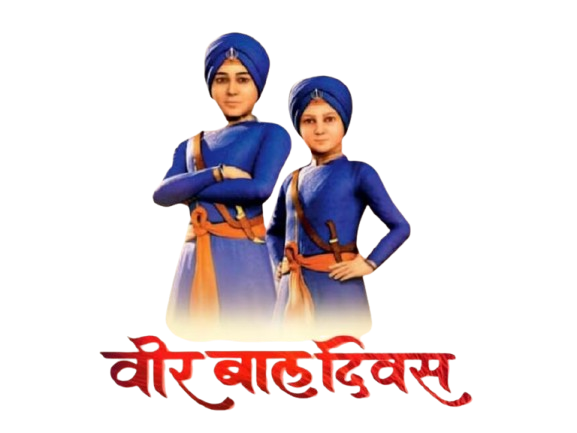
Introduction to Veer Bal Diwas
Veer Bal Diwas, observed on December 26th every year, is a day dedicated to commemorating the supreme sacrifice of the four Sahibzade (sons) of Guru Gobind Singh Ji, the tenth Sikh Guru. This day holds immense significance in Indian history and Sikh heritage, marking the martyrdom of the youngest martyrs known to mankind. The Government of India officially declared December 26th as Veer Bal Diwas in 2022, recognizing the unparalleled courage and sacrifice of these young warriors who chose death over compromising their faith.
The word "Veer" means brave or courageous, and "Bal" refers to children. Thus, Veer Bal Diwas translates to "The Day of Brave Children." This observance serves as a reminder of the extraordinary valor displayed by children who, despite their tender age, stood firm in the face of tyranny and persecution.
Historical Background: The Era of Persecution
To understand the significance of Veer Bal Diwas, one must delve into the historical context of late 17th century India. The Mughal Empire, under Emperor Aurangzeb, had intensified its persecution of non-Muslims, particularly targeting Sikhs and Hindus. Aurangzeb was known for his religious intolerance and his mission to establish an Islamic state by forcibly converting people to Islam.
Guru Gobind Singh Ji, born in 1666, emerged as a defender of the oppressed and a champion of religious freedom. He founded the Khalsa in 1699, a community of saint-soldiers dedicated to protecting the innocent and fighting against injustice. This naturally brought him into conflict with the Mughal authorities and the Hill Rajas who had allied with them.
The Battle of Anandpur Sahib in 1704 marked a turning point. After prolonged siege and broken promises of safe passage by the Mughal forces, Guru Gobind Singh Ji was forced to evacuate the Anandpur Sahib fort with his family and followers. During the chaotic crossing of the flooded Sirsa river on the night of December 20-21, 1704, the Guru's family got separated.
The Battle of Chamkaur: Sacrifice of the Elder Sahibzade
After the separation at Sirsa, Guru Gobind Singh Ji, along with his elder sons Baba Ajit Singh Ji and Baba Jujhar Singh Ji, and about 40 Sikhs, took shelter in a mud fortress at Chamkaur. They were surrounded by a massive Mughal army numbering in hundreds of thousands.
On December 22, 1704, the Battle of Chamkaur took place. Despite being vastly outnumbered, the Sikhs fought with extraordinary bravery. Baba Ajit Singh Ji led the first charge, fighting valiantly before attaining martyrdom. Following his elder brother's footsteps, Baba Jujhar Singh Ji also charged into the battlefield and made the supreme sacrifice. Both brothers chose to die fighting rather than surrender.
They surrendered body, mind, and wealth to the Guru, accepting His will.
The Tragedy at Sirhind: The Younger Sahibzade
Meanwhile, Mata Gujri Ji (Guru Gobind Singh Ji's mother) and the younger Sahibzade, Baba Zorawar Singh Ji and Baba Fateh Singh Ji, were betrayed by their servant Gangu, who handed them over to the Mughal authorities for reward. They were taken to Sirhind and presented before Wazir Khan, the Faujdar (governor) of Sirhind.
The young princes were imprisoned in the Cold Tower (Thanda Burj) with their grandmother. Despite their confinement, Mata Gujri Ji continued to inspire them with stories of Sikh heroes and the importance of standing firm in their faith.
On December 26, 1704, Baba Zorawar Singh Ji and Baba Fateh Singh Ji were brought before Wazir Khan's court. They were offered riches, power, and safety if they would renounce their faith and accept Islam. The young princes, aged 9 and 6, refused with remarkable courage and conviction. When asked what they wanted, they reportedly declared their desire to rebuild Sikh shrines that had been destroyed and to continue their grandfather's and father's mission of protecting the innocent.
Enraged by their refusal, Wazir Khan ordered the children to be bricked up alive. The young Sahibzade remained calm and recited prayers as walls were built around them. Legend says that when the wall reached their chests, they were asked one final time to convert. They refused. The wall continued to rise until the children attained martyrdom.
Mata Gujri Ji's Sacrifice
Upon hearing of her grandsons' martyrdom, Mata Gujri Ji, who had been a pillar of strength throughout the ordeal, passed away. Her sacrifice and the way she prepared the young Sahibzade for their ultimate test remain an inspiration for generations.
Legacy and Significance
The martyrdom of the Sahibzade holds profound significance for several reasons. First, it demonstrates that courage and conviction know no age limits. These children, particularly the younger two, showed that righteousness and faith can triumph over fear and temptation. Second, their sacrifice prevented the Mughal Empire from claiming a symbolic victory by forcing the Guru's family to convert. Third, their martyrdom galvanized the Sikh community and strengthened the resolve to fight against tyranny.
The sacrifice inspired countless others to join the fight for freedom and religious liberty. It established a precedent that Sikhs would never compromise their faith, regardless of the consequences. This spirit eventually contributed to the decline of Mughal persecution and the establishment of the Sikh Empire under Maharaja Ranjit Singh in the 19th century.
Modern Observance of Veer Bal Diwas
Today, Veer Bal Diwas is observed across India and by Sikh communities worldwide. Special prayers (Ardas) are offered in Gurdwaras, and the story of the Sahibzade is narrated to inspire younger generations. Schools and educational institutions organize programs to teach children about these brave souls. The day serves as a reminder that courage, conviction, and sacrifice are timeless values that transcend religious boundaries.
The official recognition by the Government of India has given this observance national importance, ensuring that the sacrifice of these young martyrs is remembered and honored by all Indians, regardless of their faith. It stands as a testament to the secular fabric of India, which honors sacrifice and courage from all communities.