No Meme: The Complete Guide to Anti-Meme Culture, Meaning & Origins
Published: February 12, 2026 · Updated: February 12, 2026 · 12 min read
The "No Meme" phenomenon — where humor lives in the absence of a punchline
⚡ Quick Facts
- Also known as: Anti-meme, no meme reaction image, minimalist meme format
- Origin: Internet forums & imageboards, circa 2012–2014
- Key platforms: Reddit (r/antimeme), TikTok, Discord, X/Twitter, Instagram
- Humor type: Irony, absurdism, subversion, meta-humor
- Status: Actively trending and evolving (2026)
What Does "No Meme" Mean?
If you've spent any time scrolling through Reddit threads, Discord servers, or TikTok comment sections, you've likely encountered the phrase "no meme" used in a variety of contexts. But what does the no meme meaning actually encompass? At its simplest, "No Meme" is a declaration—sometimes literal, sometimes deeply ironic—that no meme is being presented. The humor, paradoxically, lies in that very declaration becoming a meme itself.
The phrase operates on multiple levels simultaneously. In its most literal usage, someone might post a blank image or a text post saying "no meme today" as a way to break from the relentless cycle of content creation. In its more culturally significant form, "No Meme" belongs to the broader tradition of anti-meme humor—a genre where the joke is the deliberate absence of a joke, or where expectations set up by familiar meme templates are subverted by aggressively mundane or literal punchlines.
Consider this: you see a familiar two-panel meme template. The setup reads, "When you open a door." The punchline image? Someone simply opening a door. No exaggeration, no irony, no twist. That's an anti-meme. And the "No Meme" ethos is its philosophical backbone—the rejection of the very form it inhabits.
Anti-Meme Culture Explained
Anti-meme culture is a fascinating subcategory of internet humor that turns the conventions of meme-making inside out. While traditional memes rely on shared cultural references, exaggeration, and recognizable punchline structures, anti-memes deliberately strip away these elements. The result is a form of comedy that's simultaneously simpler and more complex than anything that came before it.
The minimalist meme format takes this philosophy to its logical extreme. Where a standard meme might layer text over a reaction image with perfect comedic timing, a minimalist meme might present nothing more than the word "meme" on a white background. Or perhaps an image of bread with the caption "bread." The anti-meme doesn't try to be clever—and that's precisely what makes it clever.
This form of humor is closely related to several artistic and comedic traditions. Dadaism, the early 20th-century art movement that rejected logic and reason, shares DNA with anti-meme culture. So does anti-humor comedy, popularized by performers like Andy Kaufman and later Norm Macdonald, where the comedian deliberately avoids delivering the expected punchline. In the digital age, this sensibility has been democratized—anyone with a basic image editor and an appreciation for the absurd can create an anti-meme.
What separates anti-memes from simply "bad memes" is intentionality. A bad meme fails to be funny despite trying. An anti-meme succeeds at being funny by appearing not to try. The ironic no meme joke operates in this tension—the creator and the audience are both in on the meta-joke that the absence of humor is itself the humor.
Origins & Timeline of "No Meme" Culture
Tracing the exact origin of "No Meme" is like trying to pinpoint when irony was invented—it's diffuse, organic, and emerged from multiple communities simultaneously. However, we can identify key milestones that shaped anti-meme culture into the recognizable phenomenon it is today.
Early anti-humor memes appear on 4chan and Tumblr. Users begin posting deliberately unfunny versions of popular templates as a form of commentary on meme oversaturation.
The subreddit r/antimeme is created, giving the movement a dedicated home. "Bone hurting juice" and related subgenres emerge, establishing distinct anti-meme styles.
Anti-memes go mainstream. Instagram accounts dedicated to minimalist meme formats gain hundreds of thousands of followers. The "no meme" reaction image becomes a recognized format.
TikTok accelerates anti-meme culture with video-based formats. The pandemic era's absurdist humor aligns perfectly with anti-meme sensibilities. Discord servers dedicated to the genre proliferate.
Anti-memes become fully integrated into mainstream internet culture. Brands begin incorporating anti-meme aesthetics into marketing. The "No Meme" concept evolves into AI-generated anti-humor and cross-platform meta-commentary.
Common Formats & Examples
The beauty of the no meme reaction image and anti-meme formats lies in their diversity within simplicity. Here are the most recognized variations that have defined this corner of internet culture:
1. The Literal Interpretation
This is the most classic anti-meme format. Take any popular meme template and interpret it with absolute literalism. Drake pointing? He's simply pointing at something he prefers. The "distracted boyfriend" meme? He's just looking at someone walking by. The humor comes from refusing to add the expected layer of meaning.
2. The Blank / Empty Meme
A completely blank image posted with the caption "no meme" or simply left without any text. Sometimes the white void itself is captioned with "this is not a meme." This format is the purest expression of the no meme philosophy—the deliberate creation of nothing presented as something.
3. The Meta-Rejection
Posts that explicitly reject the concept of being a meme while existing within meme spaces. "There is no meme. Take off your clothes." became one of the most viral examples—using the anti-meme setup to deliver an absurdist non-sequitur that subverts even the anti-meme format itself.
4. The Overly Descriptive Caption
An image of a cat sitting on a chair with the caption: "A cat sitting on a chair." No joke, no observation, no commentary. The minimalist meme format at its most refined—description without interpretation, observation without opinion.
5. The "POV: Nothing Happens"
Popular on TikTok and Instagram Reels, these videos set up dramatic expectations ("POV: You're about to see the funniest thing ever") and then deliver absolutely nothing. The viewer watches in anticipation, and the punchline is the absence of a punchline.
Platform-by-Platform Popularity
📊 Anti-Meme Content Engagement by Platform (Relative Index, 2026)
Reddit remains the spiritual home of anti-meme culture. Subreddits like r/antimeme (2.5M+ members), r/bonehurtingjuice, and r/speedoflobsters have created thriving ecosystems where users compete to create the most aggressively unfunny-yet-hilarious content. The upvote system rewards genuinely creative subversions, ensuring quality control that other platforms lack.
TikTok
TikTok transformed anti-memes from static images into dynamic video experiences. Creators leverage the platform's expectation of quick, punchy content by delivering videos where nothing happens—and the comment sections explode with appreciation. The "no meme" trend on TikTok often involves creators staring blankly at the camera with captions promising content that never arrives.
Discord
Discord servers dedicated to anti-memes function as incubators for the most experimental and niche variations. The real-time, community-driven nature of Discord allows for rapid iteration and inside jokes that evolve within hours. Many viral anti-meme formats originate in Discord before spreading to other platforms.
X/Twitter
On X (formerly Twitter), the "no meme" format manifests as text-only posts that subvert expected tweet structures. A tweet that simply says "tweet" or responds to a trending topic with "I have nothing to add" captures the anti-meme spirit in its most minimal textual form.
Instagram's visually-driven platform has given rise to a distinctive aesthetic of anti-meme accounts that feature pristine white backgrounds with simple black text stating obvious observations. These accounts have cultivated dedicated followings drawn to their curated anti-aesthetic.
Why Anti-Memes Became Popular
The rise of anti-meme humor is not accidental—it's a predictable cultural response to several converging trends in digital communication. Understanding why "no meme" resonates requires examining both the internet landscape and deeper psychological mechanisms.
Content fatigue is perhaps the primary driver. By the mid-2010s, the internet had reached peak meme saturation. Every conceivable reaction image had been templated, every relatable situation had been captioned, and every format had been recycled thousands of times. Anti-memes emerged as a pressure valve—a way for internet-native audiences to acknowledge the exhaustion while still participating in the culture.
Generational humor shifts also play a role. Gen Z's humor, often described as "absurdist" or "surreal," gravitates toward the unexpected. Where Millennials appreciated cleverness and relatability in memes, Gen Z audiences find equal or greater humor in the aggressively mundane. A no meme reaction image that delivers nothing is, to this audience, a sophisticated commentary on the futility of trying to be funny online.
There's also an element of intellectual exclusivity. Anti-memes function as a form of cultural gatekeeping—you need to understand traditional meme formats deeply enough to appreciate their subversion. The ironic no meme joke only works if the audience recognizes what's being subverted. This creates an in-group dynamic that makes the humor feel more rewarding for those who "get it."
Samay's Controversy
Navigate Samay Raina's viral moments in this chaos simulator!
Play Now
Carry Ki Gaaliyan
Unleash CarryMinati's iconic roasts in this rage-clicking madness!
Play Now
Slap Dhruv Rathee
The ultimate stress buster! Tap to slap in this addictive clicker.
Play Now
Arjun's Comments
Survive Bollywood's most savage comment section trolls!
Play Now
CID Laash Game
Find the dead body before Daya breaks the door! 🚪
Play Now
Japnaam Clicker
Click your way to enlightenment with Baba's blessings!
Play Now
Bijli Ka Bill
Help Ashish pay his electricity bill in this hilarious clicker!
Play Now
Doraemon All Gadgets
Explore all of Doraemon's magical gadgets!
Play Now
Yashu Di Balle Balle
Hit sixes and score big in this cricket clicker!
Play NowVideo Breakdown: Understanding Anti-Meme Culture
The Psychology Behind the Humor
Why do people find anti-memes funny? The answer lies at the intersection of cognitive psychology, humor theory, and digital culture studies. Several well-established psychological mechanisms explain the appeal of the ironic no meme joke.
Benign Violation Theory
Psychologist Peter McGraw's Benign Violation Theory suggests that humor arises when something simultaneously violates expectations and feels safe. Anti-memes execute this perfectly—they violate our expectation of a punchline (the violation) while doing so in a completely harmless way (the benign). The result is a gentle cognitive dissonance that our brains resolve through laughter.
Incongruity Resolution
Traditional humor relies on setting up an expectation and then subverting it with an unexpected resolution. Anti-memes take this one step further—they set up the expectation of subversion and then subvert that expectation by delivering exactly what was literally promised. It's a double-layered incongruity that rewards audiences who are sophisticated enough to appreciate the meta-structure.
In-Group Signaling
Sharing and appreciating anti-memes serves as a form of cultural signaling. When someone laughs at a blank image captioned "no meme," they're demonstrating their deep familiarity with meme culture, their appreciation for meta-humor, and their membership in a community that values ironic detachment. This social bonding function helps explain why anti-meme communities are so tight-knit and dedicated.
Absurdist Catharsis
In an era of information overload, content fatigue, and algorithmic optimization, anti-memes offer a form of catharsis. They acknowledge the absurdity of an internet culture obsessed with producing and consuming content by producing content that proudly contains nothing. For audiences exhausted by the relentless pace of online humor, this acknowledgment itself feels refreshing and honest.
Longevity & Evolution
One of the most remarkable aspects of anti-meme culture is its staying power. Unlike most meme formats that peak and fade within weeks, the "No Meme" concept has demonstrated remarkable longevity—and for good reason. Because anti-memes are defined by the subversion of whatever is currently popular, they automatically evolve alongside mainstream meme culture. Every new meme template that goes viral creates a new opportunity for an anti-meme interpretation.
The evolution has followed a recognizable pattern. First-generation anti-memes (2012–2015) were primarily static images with literal captions. Second-generation anti-memes (2016–2020) incorporated video, audio, and interactive elements. Third-generation anti-memes (2021–present) leverage AI-generated content, augmented reality filters, and cross-platform meta-commentary to push the boundaries of what constitutes "no content."
Looking ahead, anti-meme culture shows no signs of slowing down. As AI-generated content becomes more prevalent—and more predictable—the human impulse to subvert and deconstruct will only grow stronger. The no meme meaning will continue to evolve, but its core principle—finding humor in the absence of humor—will remain a constant in digital culture.
Brand & Marketing Usage
Savvy brands have begun incorporating anti-meme humor into their marketing strategies, recognizing its appeal to younger, internet-savvy demographics. Wendy's, known for its irreverent social media presence, has posted anti-meme content on X/Twitter. Netflix has used the format to promote shows by posting deliberately anticlimatic "memes" about their content.
The key to successful brand anti-memes is authenticity. Audiences can instantly detect when a corporate account is trying too hard to be ironic. The brands that succeed are those that genuinely participate in the culture rather than attempting to co-opt it. This requires social media managers who are deeply embedded in internet culture and can navigate the fine line between clever subversion and cringe-worthy imitation.
Meme-Themed Gifts & Desk Toys Fans Love
If you're a fan of internet culture and meme humor, you'll love these trending desk accessories and stress-relief toys that every meme enthusiast needs. From stress balls to fidget toys, these picks are perfect for anyone who spends their days scrolling through r/antimeme.
🛒 Deals You'll Love
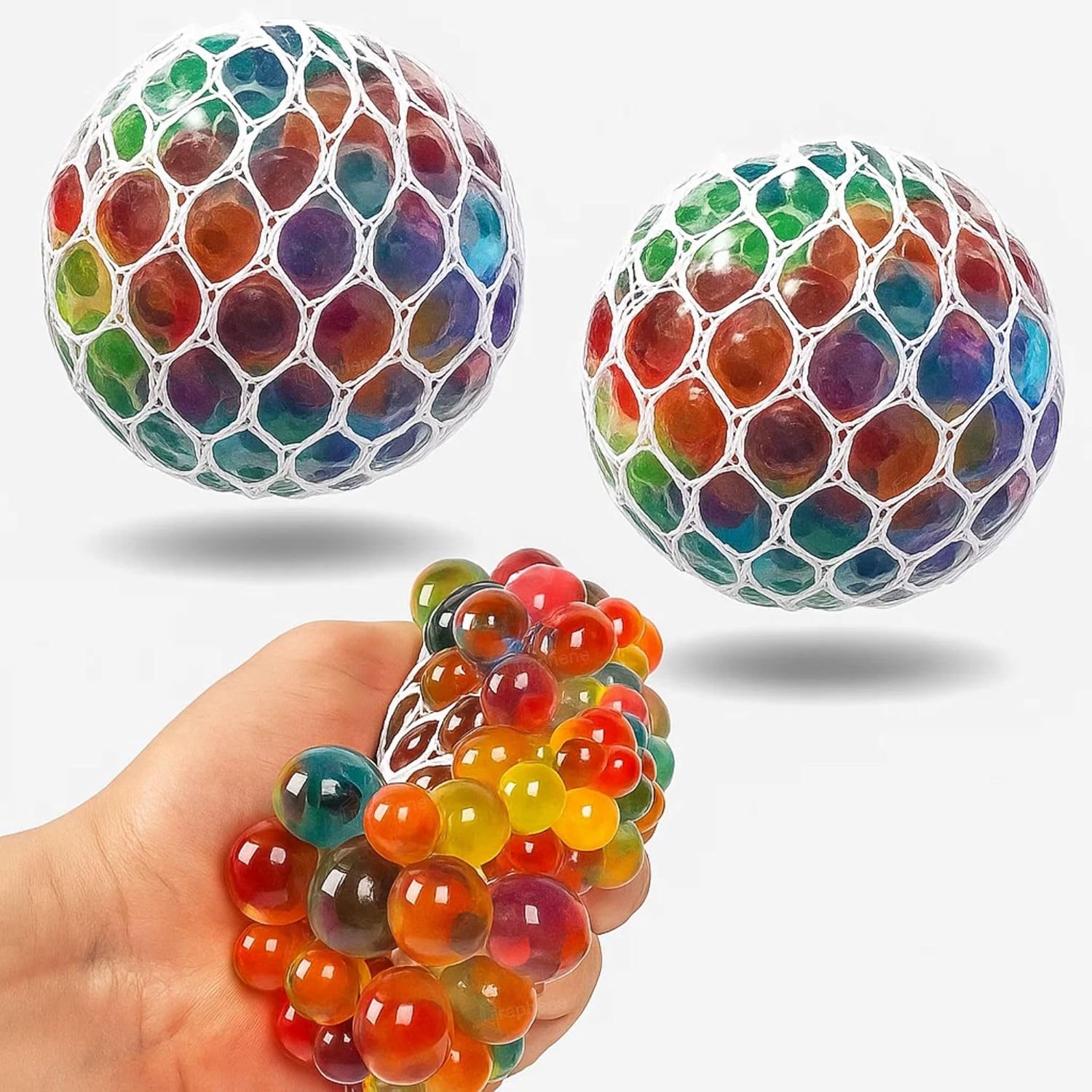
Stress Relief Squishy Ball
from Check Price
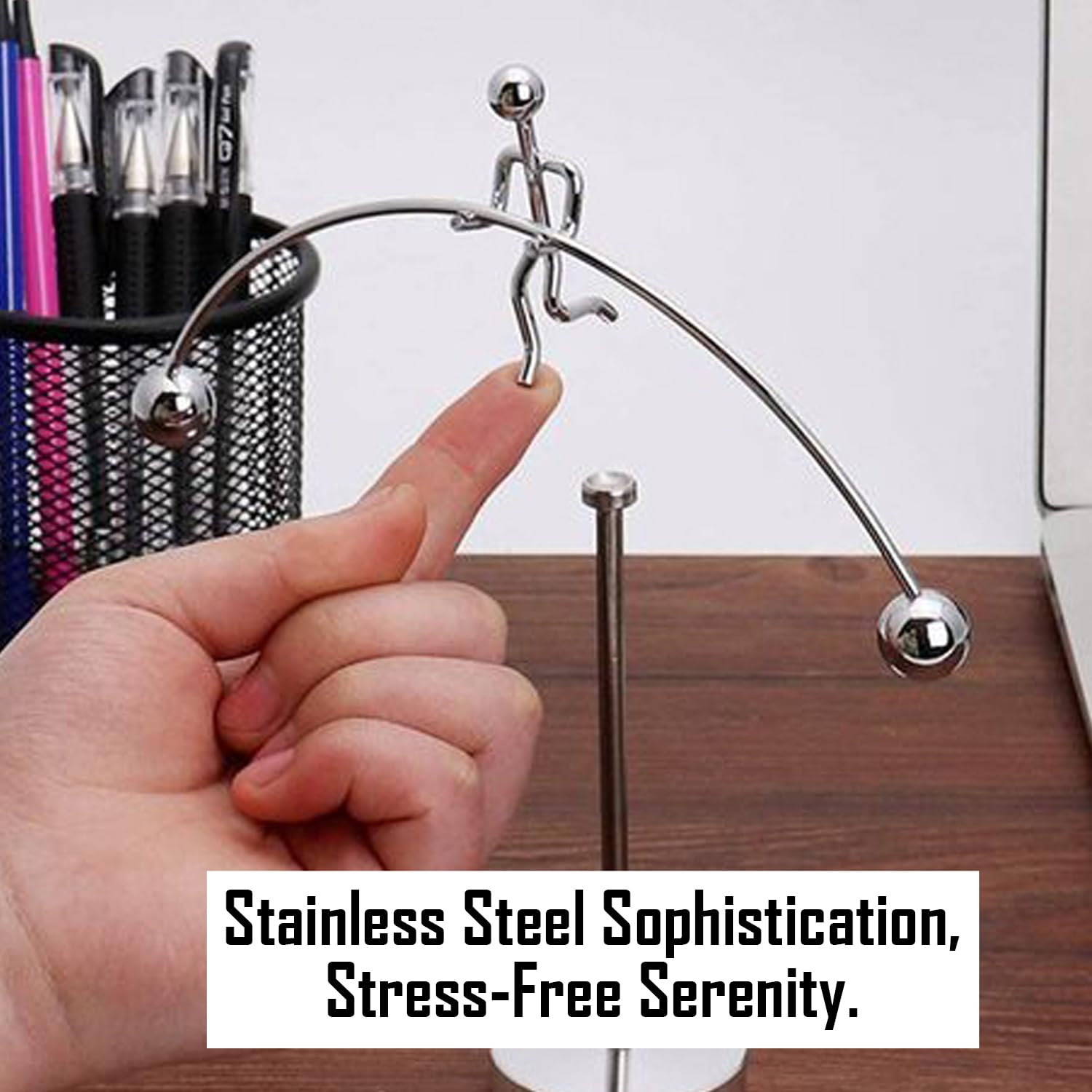
Stainless Steel Balancing Toy
from Check Price

Gel Exercise Ball - Hand Therapy
from Check Price
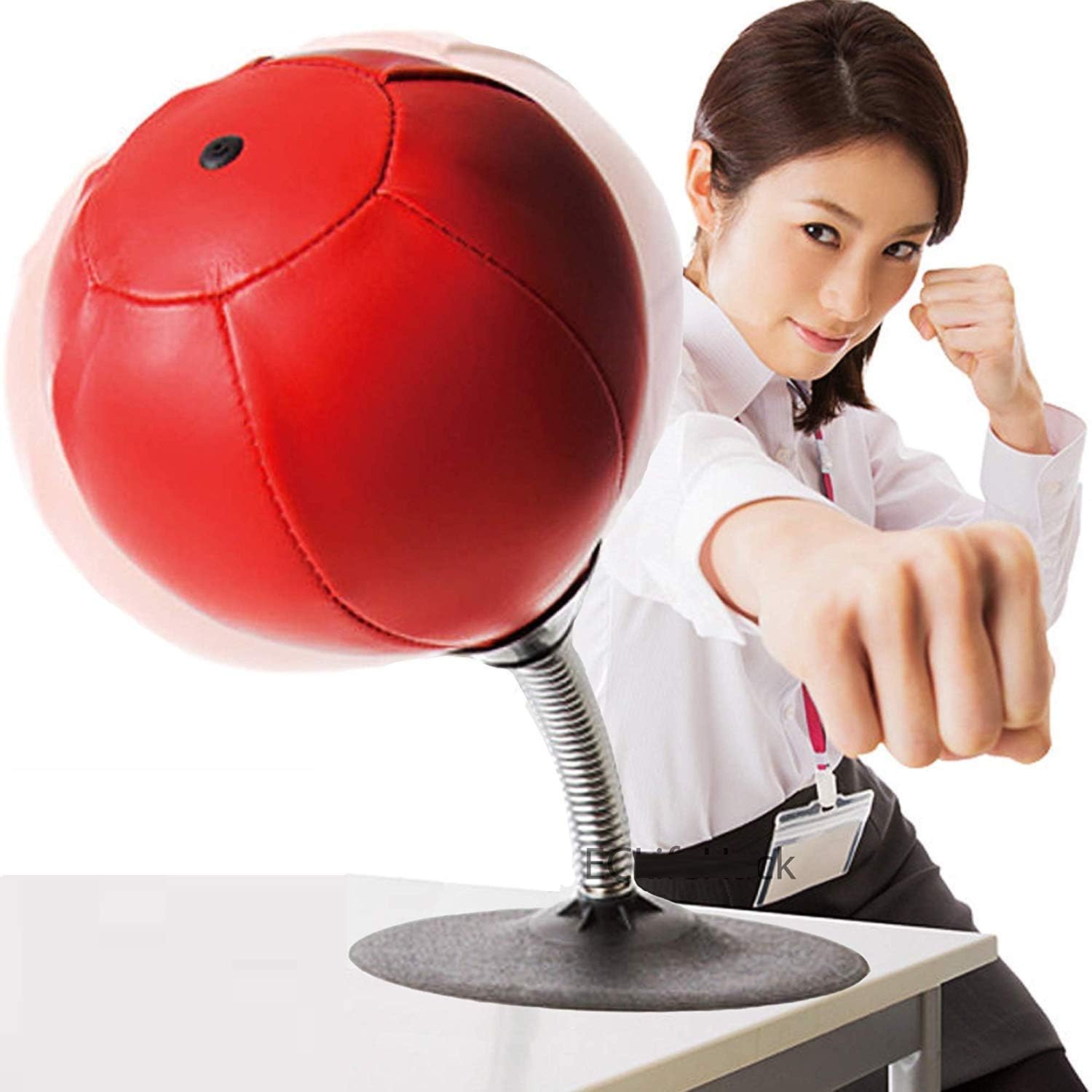
Desktop Punching Bag
from Check Price
Floating World Map Globe
from Check Price
Wooden Wall Hanging Decor
from Check Price
Frequently Asked Questions
"No Meme" refers to a genre of internet humor where the joke is the deliberate absence, subversion, or rejection of traditional meme formats. It can be used literally (meaning no meme is being shared), sarcastically, or as part of anti-meme culture where the humor comes from defying expectations. The no meme meaning varies depending on context but always involves some degree of meta-awareness about meme culture itself.
An anti-meme is a meme that deliberately subverts the expected punchline by being overly literal, anticlimactic, or straightforward. Instead of delivering the expected joke, anti-memes present the obvious or mundane, creating humor through the subversion of expectations. For example, a "Drake meme" where both panels show equally neutral options, or a no meme reaction image that simply describes what's happening in the image.
Anti-meme humor is popular because it offers a refreshing break from overused meme templates. It appeals to internet users who appreciate irony, absurdism, and meta-humor. The simplicity and subversion of expectations create a unique comedic effect that resonates with audiences tired of predictable formats. Anti-meme humor also serves as a form of in-group signaling among internet-savvy communities.
Anti-meme culture traces its roots to early internet forums and imageboards around 2012–2014, but gained mainstream traction with the creation of subreddits like r/antimeme and r/bonehurtingjuice. The concept evolved from surreal and absurdist humor communities and has since spread across TikTok, Discord, Instagram, and X/Twitter.
Yes, "No Meme" and anti-meme content continue to trend across platforms in 2026. The format constantly evolves alongside mainstream meme culture—every new meme template creates a new opportunity for anti-meme subversion. The genre has proven remarkably resilient because its core concept (subverting humor expectations) is inherently adaptable and self-renewing.