
Job Application Meme: The Complete Guide to Viral Job-Hunt Humor
From rejection emails to unrealistic job requirements—why millions laugh through the pain of applying for jobs
📋 AI Overview Summary
The job application meme is a genre of internet humor that satirizes the frustrating, absurd, and emotionally exhausting experience of job hunting. Popular formats include resume meme jokes about overqualification, interview process memes mocking endless rounds, and applying for jobs memes about ghost employers. These memes resonate because they validate shared frustrations, provide catharsis through humor, and create community among millions navigating the modern job market.
⚡ Quick Facts
- First viral job application memes emerged on Reddit around 2015-2016
- Exploded during COVID-19 pandemic with millions facing unemployment
- Most popular on TikTok, Reddit, Twitter/X, LinkedIn, and Instagram
- Common themes: ghosting, unrealistic requirements, ATS systems, rejection loops
- Brands and recruiters now use them strategically for engagement
What Is a Job Application Meme?
A job application meme is any piece of internet humor—image, video, tweet, or post—that satirizes the experience of searching for and applying to jobs. The job application meme meaning encompasses everything from the absurdity of entry-level positions requiring five years of experience to the emotional whiplash of receiving automated rejection emails minutes after submitting a carefully crafted application.
These memes capture universal frustrations that transcend industries, age groups, and geographic boundaries. Whether you're a fresh graduate entering the workforce, a mid-career professional seeking advancement, or someone pivoting industries entirely, the funny job application meme genre offers something painfully relatable. The humor derives from exaggerating real experiences to absurd levels while maintaining enough truth to make viewers nod in recognition.
The scope of job application memes has expanded over time. Early iterations focused primarily on resume struggles and interview anxiety. Today, the genre encompasses ATS (Applicant Tracking System) horror stories, LinkedIn culture critique, remote work debates, salary transparency battles, and the peculiar rituals of corporate communication. Each subcategory spawns its own visual language and inside jokes, creating a rich ecosystem of resume meme jokes and interview process meme content.
Origin & Early Viral Examples
Tracing the exact origin of job application memes proves difficult because workplace humor has existed since the earliest internet forums. However, the modern incarnation of the applying for jobs meme emerged distinctly around 2015-2016, coinciding with the maturation of meme culture on platforms like Reddit, Twitter, and Tumblr.
The subreddit r/recruitinghell, founded in 2014, became ground zero for job application frustration content. Users shared screenshots of absurd job postings—positions requiring ten years of experience with five-year-old technologies, unpaid internships demanding master's degrees, and job descriptions longer than academic papers. These posts combined genuine venting with dark humor, establishing templates that would spread across the internet.
Early viral formats included the "me vs. the job requirements" comparison memes, often featuring stick figures or stock photos. The format pitted a modest skill set against impossibly inflated demands, resonating with anyone who'd ever felt underqualified despite meeting core requirements. Another foundational format involved screenshots of rejection emails received suspiciously quickly—sometimes within minutes—suggesting automated filtering had dismissed applications without human review.
The Great Recession's Shadow
The 2008 financial crisis and subsequent recovery period planted seeds for job application meme culture. Millennials entering the workforce faced unprecedented competition for diminishing positions, creating collective trauma that would later fuel meme creation. The phrase "entry-level position, 3-5 years experience required" became a bitter punchline long before it crystallized into specific meme formats.
Timeline: How Job Application Memes Spread
Platform-by-Platform Popularity
Different social media platforms have developed distinct flavors of job application meme content, each reflecting the platform's culture, demographics, and content formats. Understanding this distribution reveals how the interview process meme adapts to different digital environments.
TikTok
Short-form video dominates with acted-out scenarios, POV content ("POV: You're on your 47th application today"), and duets with absurd job postings. Sound trends amplify specific meme formats. Career coaches create response content.
Ground zero for raw, unfiltered content. Screenshot posts of egregious job listings thrive. Communities like r/antiwork and r/recruitinghell provide ongoing discussion. Long-form horror stories complement meme content.
Twitter/X
Text-based observations and screenshot compilations dominate. Viral threads documenting application processes. Quote-tweets adding commentary to recruiter posts. Real-time reactions to job market news.
Ironic content mocking LinkedIn culture itself. "LinkedIn Lunatics" compilations. Humble-brag parodies. Increasingly, genuine meme content from career influencers. The platform's earnestness makes satire particularly effective.
Polished meme accounts with consistent aesthetics. Carousel posts explaining job search frustrations. Story content for real-time venting. Reels adapting TikTok trends with slight modifications.
📊 Platform Engagement for Job Application Memes (2025)
Popular Caption Formats & Remix Styles
Job application memes have developed recognizable formats that creators remix endlessly. Understanding these templates reveals how resume meme jokes and funny job application meme content spreads through variation rather than simple copying.
Screenshot + Commentary
The simplest format: a screenshot of an absurd job listing, rejection email, or recruiter message paired with a reaction image or brief commentary. The source material provides the joke; the creator frames it. This format democratizes meme creation—anyone with a bad job experience can participate.
📝 "Entry Level Position" Format
Job Title: Entry Level Marketing Associate
Requirements:
- 7+ years experience
- Master's degree preferred
- Fluent in 4 languages
- Must know CEO personally
Salary: $35,000 (competitive!)
This format exaggerates real job listings to absurd levels, highlighting the disconnect between "entry level" labels and actual expectations.
POV (Point of View) Videos
TikTok popularized POV content for job application humor. Creators act out scenarios—"POV: The hiring manager asks where you see yourself in 5 years"—using facial expressions, props, and trending sounds. These videos humanize the job search struggle through performance.
🎬 Popular POV Scenarios
POV: You've applied to 200 jobs and got 2 responses
POV: The interviewer asks about your weakness
POV: They email you after 3 months of silence
POV: The job requires 10 years of experience in 5-year-old tech
POV: HR says "we'll keep your resume on file"
Before/After Comparisons
These memes contrast expectations versus reality, often showing optimistic job seekers transforming into hollow-eyed veterans of countless rejections. The applying for jobs meme variation might show "Me starting my job search" (confident, polished) versus "Me after 6 months" (disheveled, defeated).
The LinkedIn Parody
A distinct subcategory mocks LinkedIn's culture of performative professionalism. Creators post fake "inspirational" stories ("I was homeless, then a stranger gave me a job because I gave good handshake. Today I'm CEO.") that exaggerate the platform's most cringe-inducing content.
Why Job-Search Humor Resonates
The popularity of job application memes extends beyond simple entertainment—they serve genuine psychological and social functions. Understanding why the interview process meme genre resonates reveals deeper truths about modern work culture and human coping mechanisms.
Validation Through Shared Experience
Job searching is often isolating. Rejection feels personal, and the process happens largely in private. When someone encounters a funny job application meme that mirrors their experience exactly, it validates their struggle. The implicit message: "You're not failing; the system is broken. Others feel this too."
Catharsis and Stress Relief
Laughter provides genuine physiological stress relief. Converting frustration into humor allows job seekers to process negative emotions constructively. Creating or sharing memes transforms passive suffering into active expression, restoring a sense of agency in a process that often feels disempowering.
Community Building
Meme comment sections become support groups. Users share their own stories, offer encouragement, and exchange practical advice alongside jokes. The applying for jobs meme hashtag on any platform reveals thousands of people going through identical struggles, fostering solidarity.
Critique Without Confrontation
Memes allow criticism of employers, recruiters, and hiring practices without direct confrontation. This matters because job seekers occupy vulnerable positions—they can't publicly criticize companies they might need to work for. Memes provide plausible deniability while still expressing genuine grievances.
Why Job Application Memes Keep Going Viral
The sustained virality of job application memes—lasting nearly a decade with no signs of slowing—stems from several reinforcing factors that distinguish this meme genre from fleeting trends.
Constant Fresh Material
Unlike memes tied to specific events, job application humor draws from an endless well of new experiences. Every day, millions of people apply for jobs and encounter fresh absurdities. Each bizarre job listing, tone-deaf rejection email, or interview disaster provides new source material. The job market itself generates meme content constantly.
Recurring Life Stages
Everyone eventually searches for work. New graduates discover job application memes as they enter the market. Career changers encounter them during transitions. Even established professionals revisit the genre during layoffs or pivots. The audience continuously regenerates as people cycle through different career phases.
Evolving Work Culture
The nature of work keeps changing, providing new meme territory. Remote work debates, AI disruption anxiety, gig economy expansion, and generational workplace tensions all spawn fresh content. Job application memes adapt to reflect current conditions while maintaining core formats.
Algorithmic Amplification
Social media algorithms favor engagement, and job application memes consistently generate comments, shares, and reactions. The relatable nature of the content encourages users to tag friends, share to stories, and add their own experiences—all signals that platforms reward with broader distribution.
🎮 Take a Break — Try Fun Interactive Games on Hunar.fun
Job searching is exhausting! Before you continue reading, why not de-stress with some hilarious interactive games? Click, tap, and laugh your way through these viral trending games—the perfect procrastination from your application grind.

Samay's Controversy
Navigate Samay Raina's viral moments in this chaos simulator!
Play Now
Carry Ki Gaaliyan
Unleash CarryMinati's iconic roasts in this rage-clicking madness!
Play Now
Slap Dhruv Rathee
The ultimate stress buster! Tap to slap in this addictive clicker.
Play Now
Arjun's Comments
Survive Bollywood's most savage comment section trolls!
Play Now
CID Laash Game
Find the dead body before Daya breaks the door! 🚪
Play Now
Japnaam Clicker
Click your way to enlightenment with Baba's blessings!
Play Now
Bijli Ka Bill
Help Ashish pay his electricity bill in this hilarious clicker!
Play Now
Doraemon All Gadgets
Explore all of Doraemon's magical gadgets!
Play Now
Yashu Di Balle Balle
Hit sixes and score big in this cricket clicker!
Play NowVideo Breakdown: How Job Application Memes Go Viral
Video: The Anatomy of a Viral Job Application Meme (Coming Soon)
📝 Video Transcript Preview
In this breakdown, we explore the lifecycle of a job application meme from creation to virality. We examine how a simple frustration—like receiving a rejection email 30 seconds after applying—transforms into shareable content. The video covers: (1) The trigger moment that inspires meme creation, (2) Format selection based on platform, (3) Caption optimization for maximum relatability, (4) The role of timing and current events, (5) How comments and shares amplify reach, (6) Cross-platform migration patterns, and (7) Why certain memes achieve "evergreen" status while others fade quickly.
Brand & Recruiter Usage
In an unexpected twist, the targets of job application memes—recruiters and hiring companies—have begun participating in the meme culture themselves. This represents a fascinating evolution in how organizations approach employer branding and candidate engagement.
Companies Embracing the Humor
Forward-thinking companies now share funny job application meme content on their official social channels, acknowledging the frustrations of job searching while positioning themselves as self-aware employers. Wendy's, known for its sarcastic Twitter presence, has participated in job search humor. Tech startups frequently use memes to appear relatable to young talent. Even LinkedIn's official account occasionally shares job-hunting memes, somewhat ironically given the platform's role in professional anxiety.
Recruiter Influencers
A new category of content creator has emerged: recruiters who share behind-the-scenes perspectives on hiring while participating in meme culture. These accounts reveal why applications get rejected, decode job listing language, and offer tips—all wrapped in meme-friendly formats. They've built significant followings by bridging the gap between candidate frustration and employer perspective.
Strategic Risks
Brands must navigate carefully. Inauthentic meme usage backfires spectacularly. Companies that share job search humor while maintaining problematic hiring practices face swift backlash. The internet remembers receipts—and will screenshot a company's meme post next to their "entry level, 10 years experience" listing.
🎁 Job-Hunt Humor Gifts & Desk Toys Fans Love
Surviving the job search grind? These stress-relief toys and fun desk accessories are perfect for anyone who relates to job application memes. Great gifts for graduates, job seekers, or anyone who needs to de-stress between applications!
🛒 Deals You'll Love

Stress Relief Squishy Ball
from Check Price
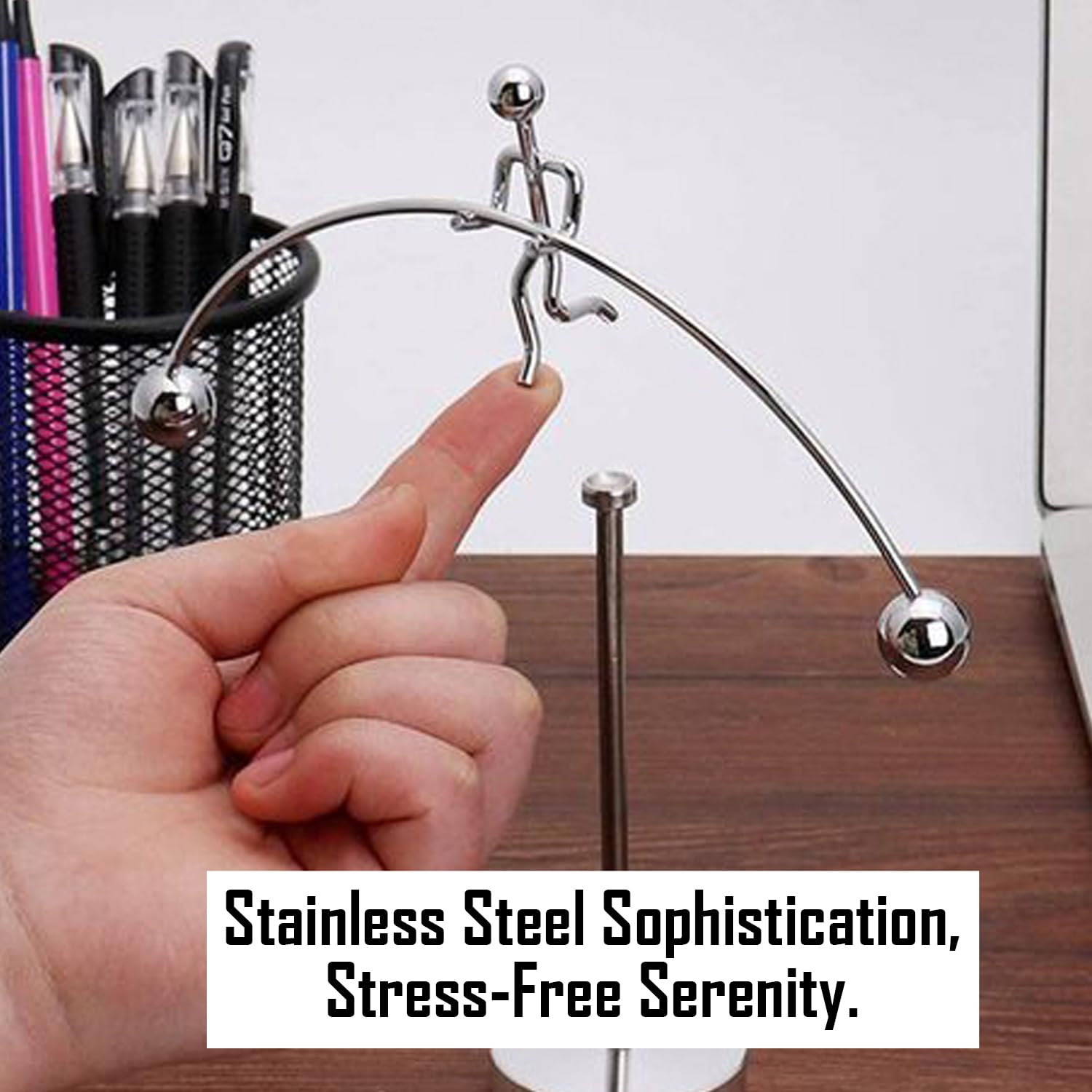
Stainless Steel Balancing Toy
from Check Price

Gel Exercise Ball - Hand Therapy
from Check Price
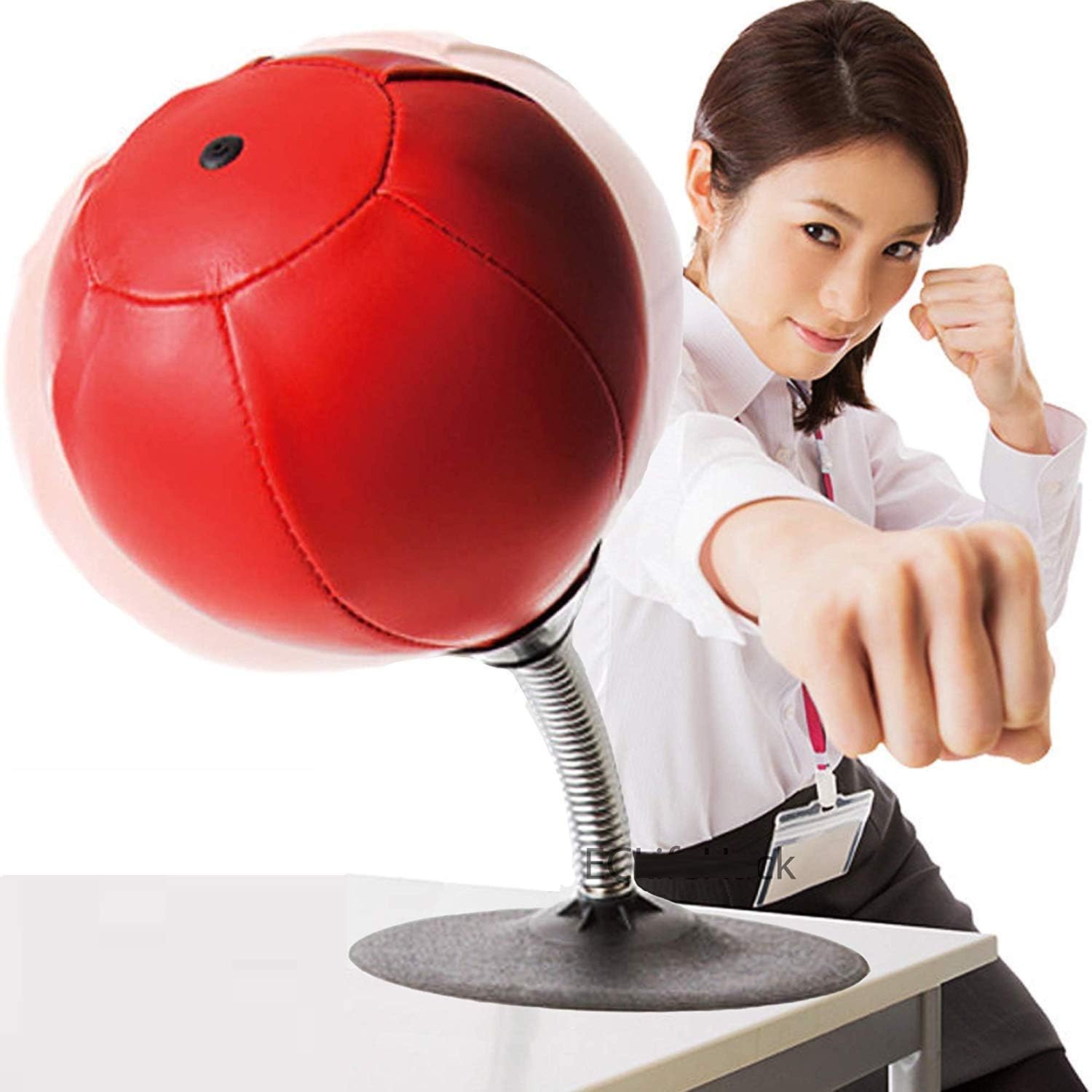
Desktop Punching Bag
from Check Price
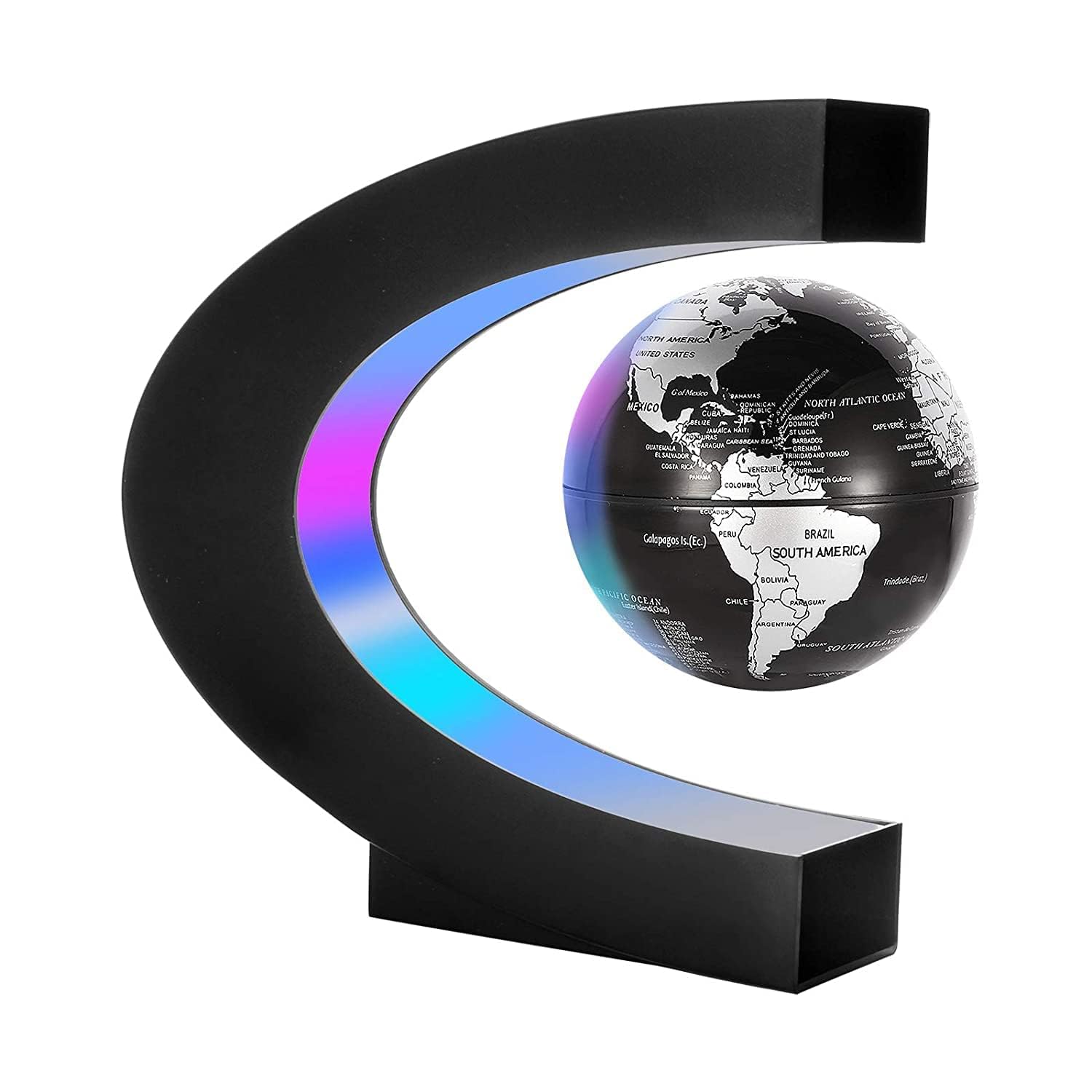
Floating World Map Globe
from Check Price
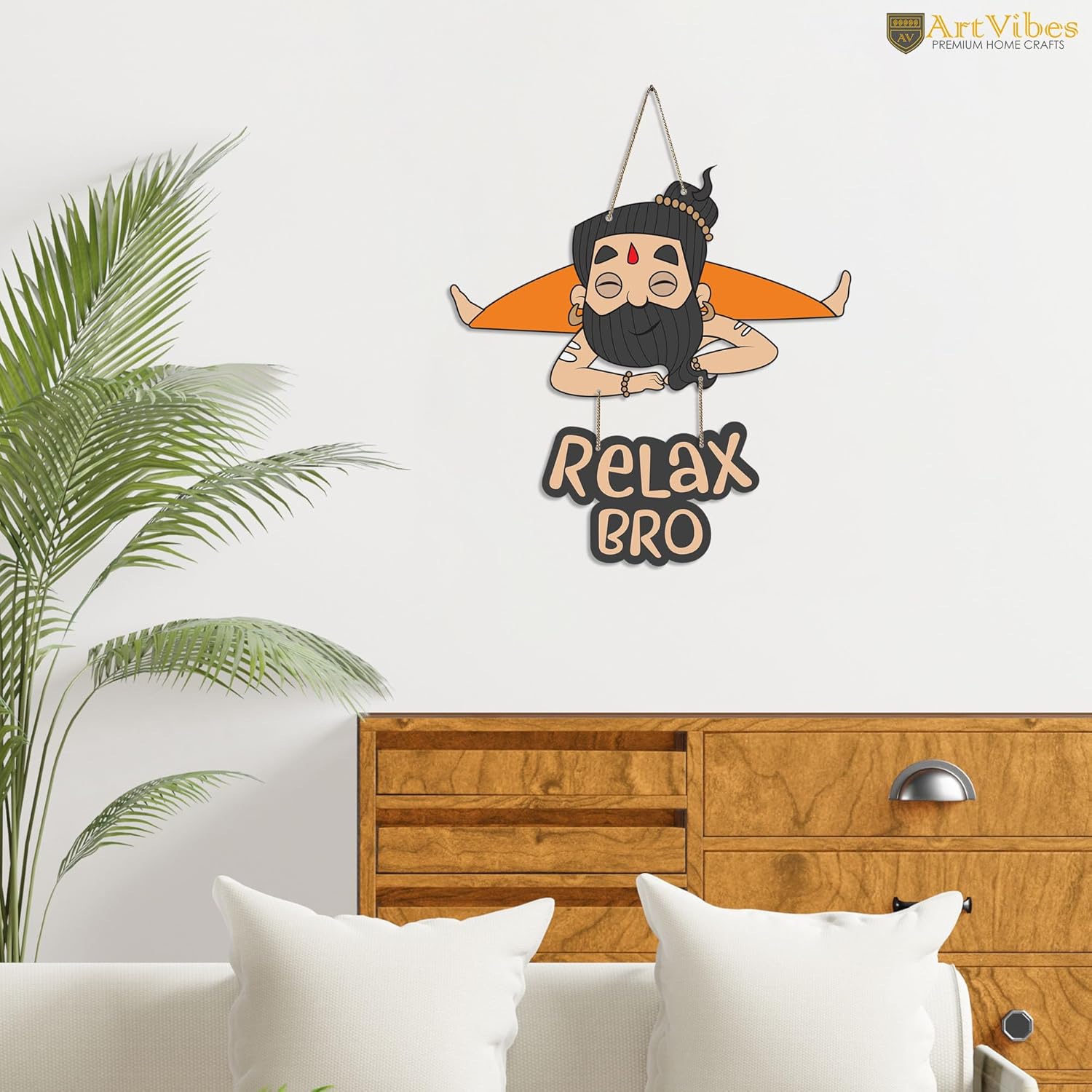
Wooden Wall Hanging Decor
from Check Price
Longevity & Cultural Impact
Job application memes have transcended typical meme lifecycles to become a permanent fixture of internet culture. Their longevity stems from addressing fundamental, unchanging human experiences—the anxiety of seeking employment, the frustration of rejection, and the absurdity of corporate bureaucracy.
Cultural Significance
These memes have influenced actual discourse about work and hiring. They've amplified calls for salary transparency, contributed to criticism of unpaid internships, and pressured companies to simplify application processes. While memes alone don't drive policy change, they shape public sentiment and make certain practices socially unacceptable. The collective ridicule of "entry-level, 5 years experience" listings has arguably made employers more self-conscious about such postings.
Generational Voice
For Millennials and Gen Z, job application memes serve as generational commentary. They capture the disconnect between traditional career advice ("just walk in and ask for a job!") and modern reality (online applications, ATS filtering, ghosting). This generational voice-finding through memes creates shared identity and validates experiences that older generations may dismiss.
Global Resonance
Remarkably, job application memes translate across cultures. While specific formats vary, the underlying frustrations are universal. Job seekers in India, Brazil, Germany, and Nigeria share similar memes because job hunting creates similar stress everywhere. This global resonance has made the applying for jobs meme a truly international phenomenon.