
Is YouTube Social Media? The Definitive Answer for 2026
📌 Quick Answer:
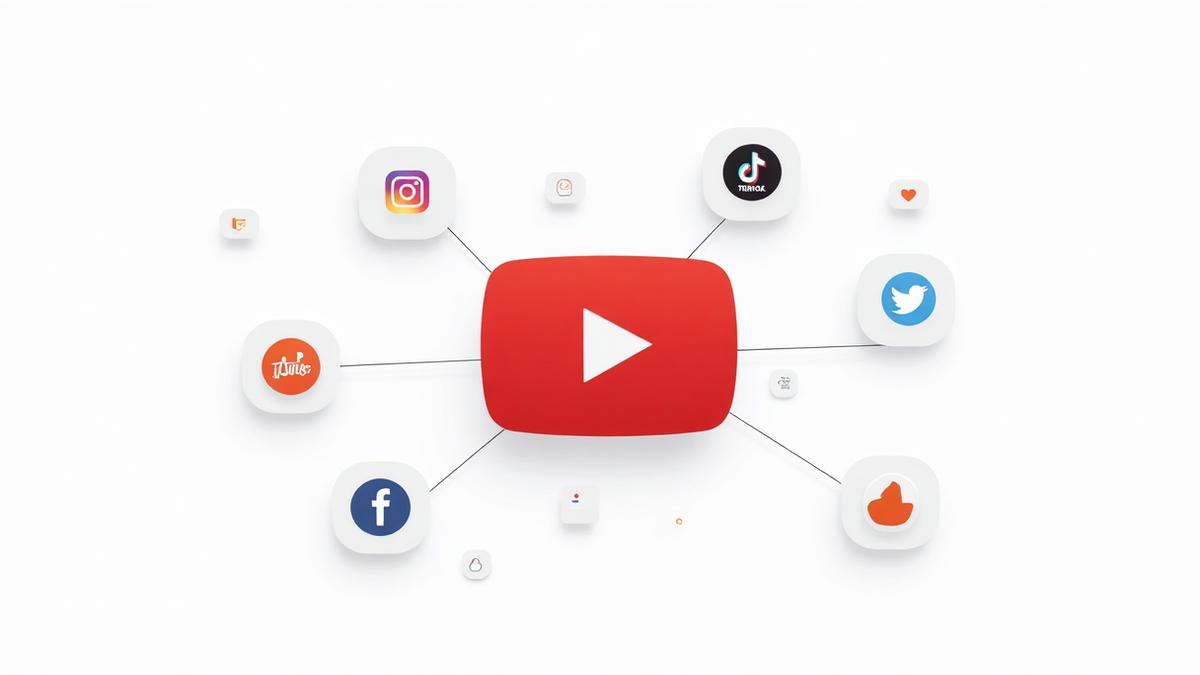
Yes, YouTube is social media. It meets all core criteria: user profiles, content sharing, subscriptions, comments, likes, and community features. However, YouTube is also the world's second-largest search engine, making it a unique hybrid platform.
What Is Social Media?
Before determining if YouTube qualifies as social media, we need a clear definition. Social media platforms are digital services that enable users to create content, share it with others, and engage in social interactions within online communities.
Core Characteristics of Social Media
- User-Generated Content: Users create and publish their own content
- User Profiles: Personal accounts with customizable information
- Social Connections: Ability to follow, subscribe, or friend other users
- Engagement Features: Likes, comments, shares, and reactions
- Community Building: Tools to create and nurture online communities
- Content Distribution: Algorithmic feeds that surface relevant content
💡 Key Insight
By this widely-accepted definition, YouTube checks every box. Users create channels (profiles), upload videos (content), gain subscribers (followers), and engage through comments, likes, and shares.
YouTube's Social Media Features
YouTube offers a comprehensive suite of social features that rival—and in some cases exceed—those of platforms like Instagram, TikTok, and Facebook. Let's examine each one:
1. Subscriptions (Followers)
With over 2.7 billion monthly active users, YouTube's subscription system allows viewers to follow their favorite creators. Subscribers receive notifications about new uploads and see content in their personalized feed—identical to following on Instagram or TikTok.
2. Comments & Replies
YouTube's comment sections enable rich discussions. Creators can pin comments, heart responses, and reply directly to viewers. Threaded conversations allow for in-depth community discussions that often exceed engagement on other platforms.
3. Likes, Dislikes & Shares
Every video features like and dislike buttons, share functionality across platforms, and save-to-playlist options. These interaction mechanisms are fundamental social media features found on every major platform.
4. Community Posts
YouTube's Community tab transforms channels into mini social networks. Creators can post text updates, images, polls, and GIFs—similar to Facebook or Twitter posts. This feature enables ongoing engagement between video uploads.
5. Live Streaming & Chat
Live streams include real-time chat, Super Chat donations, and Super Stickers—creating interactive experiences comparable to Twitch, Instagram Live, or TikTok LIVE. Premieres allow creators to watch new videos with their audience in real-time.
6. YouTube Shorts
YouTube's short-form video feature directly competes with TikTok and Instagram Reels. With its own dedicated feed and discovery algorithm, Shorts demonstrates YouTube's commitment to social media-style content consumption.
YouTube vs Other Social Media Platforms
How does YouTube stack up against recognized social media platforms? This comparison table reveals that YouTube offers comparable—and often superior—social functionality.
| Feature | YouTube | TikTok | Twitter/X | ||
|---|---|---|---|---|---|
| User Profiles | ✓ | ✓ | ✓ | ✓ | ✓ |
| Follow/Subscribe | ✓ | ✓ | ✓ | ✓ | ✓ |
| Comments | ✓ | ✓ | ✓ | ✓ | ✓ |
| Likes/Reactions | ✓ | ✓ | ✓ | ✓ | ✓ |
| Content Sharing | ✓ | ✓ | ✓ | ✓ | ✓ |
| Live Streaming | ✓ | ✓ | ✓ | ✓ | Limited |
| Short-Form Video | ✓ Shorts | ✓ Reels | ✓ | ✓ Reels | Limited |
| Long-Form Video | ✓ Up to 12hrs | 60 min | 10 min | ✓ | Limited |
| Search Engine | ✓ #2 globally | Basic | Basic | Basic | Basic |
| Creator Monetization | ✓ Robust | Growing | Growing | Limited | Limited |
How YouTube Differs from Traditional Social Media
While YouTube undeniably functions as social media, several characteristics set it apart from platforms like Instagram or TikTok. Understanding these differences helps explain why the "Is YouTube social media?" debate exists.
Content Discovery Model
Unlike Facebook or Instagram where content primarily surfaces through social connections, YouTube relies heavily on search and algorithmic recommendations. Users actively search for specific content, making YouTube function simultaneously as a search engine and social platform.
Content Format & Depth
Traditional social media favors quick, snackable content. YouTube supports videos up to 12 hours long, enabling documentary-style content, full courses, podcasts, and in-depth tutorials that would be impractical on other platforms.
Evergreen Content Value
Content on Instagram or TikTok typically has a short lifespan. YouTube videos can generate views for years—even decades—after publication. This "evergreen" quality makes YouTube more like a video library than a real-time social feed.
Passive Consumption Patterns
Many YouTube users watch videos without engaging socially—similar to television viewing. While they can comment and like, a significant portion consumes content passively without interacting with the creator or community.
YouTube's Three Identities
YouTube is unique in successfully serving three distinct roles simultaneously. Understanding this helps clarify why simple categorizations often fail:
1. Social Media Platform
With subscriptions, comments, likes, shares, Community posts, and live interactions, YouTube provides complete social media functionality. Creators build communities, engage with audiences, and foster genuine connections—the core purpose of social media.
2. Video Search Engine
YouTube processes over 3 billion searches per month, making it the world's second-largest search engine after Google (its parent company). Users search for tutorials, reviews, explanations, and entertainment—behavior more typical of search engines than social networks.
3. Content Monetization Ecosystem
YouTube offers the most mature creator monetization system of any platform. Ad revenue sharing, channel memberships, Super Chat, merchandise shelves, and the YouTube Partner Program enable creators to build sustainable businesses—a level of economic infrastructure unmatched by traditional social media.
🎯 The Verdict
YouTube is all three simultaneously. It's not "either/or"—it's a hybrid platform that transcends simple categorization. For practical purposes, however, treating YouTube as social media is accurate and useful for most creators and marketers.
Myths vs Facts: Is YouTube "Just a Video Platform"?
Let's address common misconceptions about YouTube's classification:
❌ Myth
"YouTube is just a video hosting site like Vimeo"
✓ Fact
YouTube has full social features: comments, subscriptions, Community posts, live chat, and collaborative content—far beyond video hosting.
❌ Myth
"You can't build community on YouTube like Instagram"
✓ Fact
YouTube communities often have stronger engagement. Top creators have millions of subscribers with dedicated fanbases that rival any Instagram influencer.
❌ Myth
"YouTube doesn't have social feeds"
✓ Fact
The Subscriptions tab is a social feed. The Homepage uses algorithmic recommendations like TikTok's For You page. Shorts has its own dedicated feed.
❌ Myth
"People don't interact socially on YouTube"
✓ Fact
YouTube receives millions of comments daily. Live streams feature real-time chat. Community posts generate active discussions. Social interaction is core to YouTube.
Actionable Insights for Creators & Marketers
Understanding YouTube's dual nature as social media and search engine unlocks strategic advantages. Here's how to leverage this knowledge:
🚀 Strategic Takeaways
Maximize your YouTube success with these evidence-based approaches:
- Optimize titles and descriptions for search (SEO) AND social sharing
- Use Community posts to maintain engagement between uploads
- Include social calls-to-action: "Subscribe, comment, share"
- Create both evergreen search content AND trending social content
- Engage with comments to build community like other social platforms
- Use Shorts to capture social media-style discovery traffic
- Cross-promote YouTube content on other social platforms
For marketers, YouTube should be included in social media strategies—not treated as a separate "video platform" category. Budget allocation, KPIs, and content calendars should reflect YouTube's social nature while also accounting for its unique search-driven discovery.
Frequently Asked Questions
Yes, YouTube is considered social media. It meets all core social media criteria including user profiles, content sharing, social interactions (comments, likes, shares), and community building through subscriptions and Community posts.
The debate exists because YouTube functions as both a social media platform AND a video search engine. Unlike traditional social networks focused on personal connections, YouTube prioritizes content discovery through search and recommendations, making it a hybrid platform.
YouTube is both. It's the world's second-largest search engine for video content, while also providing full social media functionality. Users can search for content like Google, but also subscribe, comment, share, and build communities like Instagram or Facebook.
YouTube shares many features with Instagram and TikTok including profiles, followers, likes, comments, and short-form videos (Shorts). However, YouTube also supports long-form content, has robust search functionality, and offers stronger monetization options for creators.
YouTube's social features include subscriptions (followers), likes and dislikes, comments and replies, content sharing, Community posts (text, polls, images), live streaming with real-time chat, Premieres, channel memberships, and Super Chat donations.
Absolutely. YouTube provides extensive community-building tools including the Community tab for posts and polls, channel memberships with exclusive perks, live chat during streams, comment sections, and subscriber notifications—all designed to foster engaged communities around creators.
Samay's Controversy
Navigate Samay Raina's viral moments in this chaos simulator!
Play Now
Carry Ki Gaaliyan
Unleash CarryMinati's iconic roasts in this rage-clicking madness!
Play Now
Slap Dhruv Rathee
The ultimate stress buster! Tap to slap in this addictive clicker.
Play Now
Arjun's Comments
Survive Bollywood's most savage comment section trolls!
Play Now
CID Laash Game
Find the dead body before Daya breaks the door! 🚪
Play Now
Japnaam Clicker
Click your way to enlightenment with Baba's blessings!
Play Now
Bijli Ka Bill
Help Ashish pay his electricity bill in this hilarious clicker!
Play Now
Doraemon All Gadgets
Explore all of Doraemon's magical gadgets!
Play Now
Yashu Di Balle Balle
Hit sixes and score big in this cricket clicker!
Play Now

