
I Just Can't Prove It Meme – Origin, Meaning & Why It's Everywhere in 2026
⚡ Quick Facts
- Format: Text overlay / caption meme with reaction image
- Tone: Sarcastic, conspiratorial, self-aware humor
- Peak Platforms: TikTok, Reddit, X/Twitter, Instagram
- Origin Period: Early 2020s social media posts
- Status: Still actively trending and evolving in 2026
- Related Formats: "Trust me bro," "I have no evidence" meme, conspiracy meme culture
1. What Is the "I Just Can't Prove It" Meme?
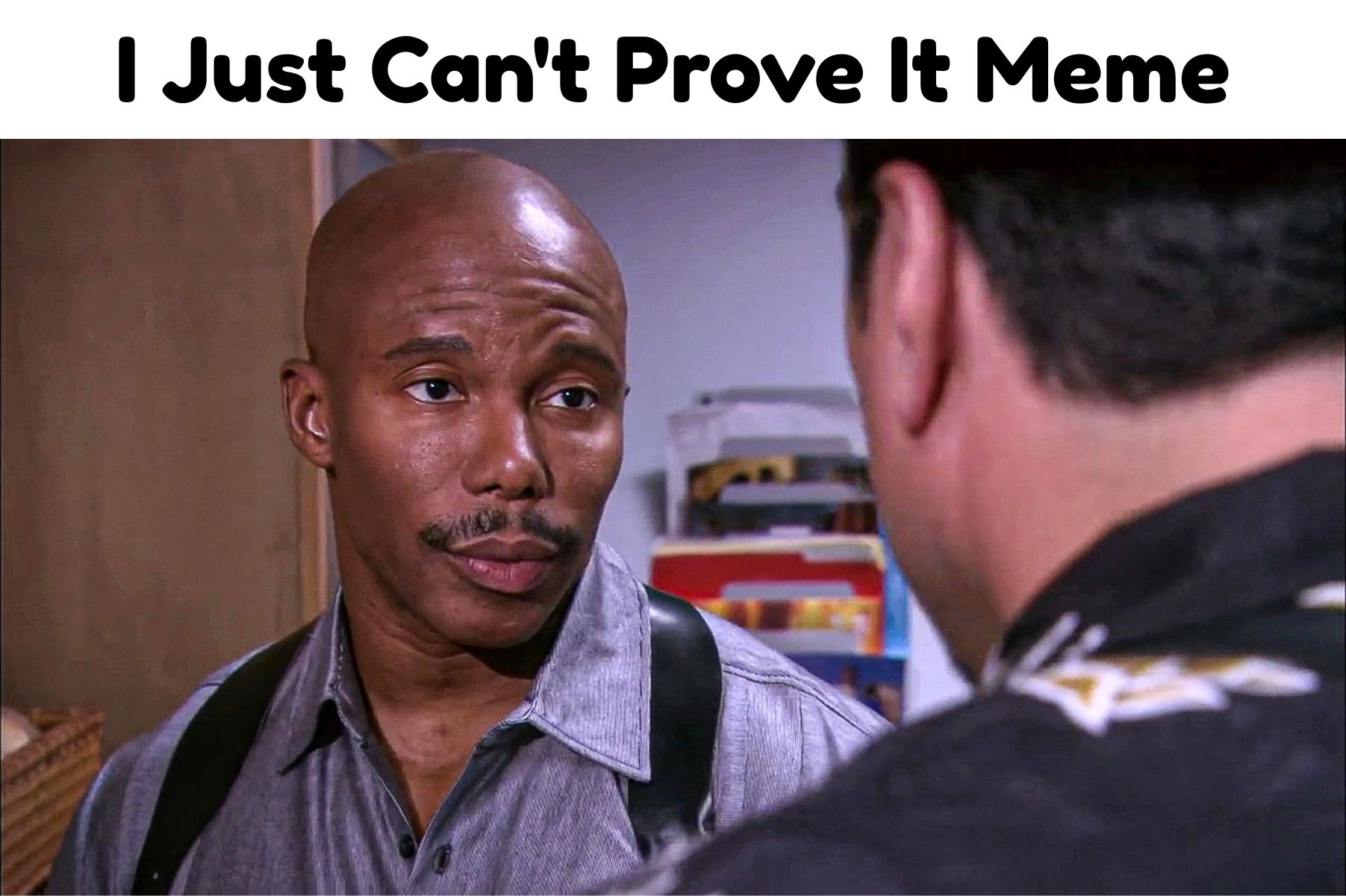
If you've spent any time on TikTok, Reddit, or X/Twitter in the past few years, you've almost certainly encountered the "I just can't prove it" meme. The format is deceptively simple: someone states a bold claim, wild theory, or everyday suspicion, then immediately follows it with the admission that they have absolutely zero evidence to support it. The humor lies entirely in the gap between absolute conviction and total lack of proof.
At its core, the i just can't prove it meme meaning captures a universal human experience. We all have those gut feelings—those nagging suspicions about coworkers, celebrities, brands, or even the universe itself—that feel deeply, irrefutably true, yet remain completely unverifiable. The meme gives voice to that feeling with delicious irony. It's the funny suspicion meme that everyone recognizes but nobody can argue with, precisely because there's nothing to argue against.
What makes this format stand out from other internet humor is its self-awareness. Unlike actual conspiracy theories that aim to convince, the conspiracy meme i just can't prove it variation wears its absurdity as a badge of honor. The poster isn't trying to convince anyone. They're celebrating the beautiful ridiculousness of their own unfounded certainty. It's the trust me bro meme format elevated to an art form—where the admission of having no proof is the entire punchline.
The meme functions as both social commentary and pure comedy. In a world drowning in misinformation, hot takes, and "do your own research" culture, the i have no evidence meme format offers a refreshing twist: it's honest about its dishonesty. It satirizes the way people present opinions as facts online, while simultaneously being the most entertaining way to share your wildest, most baseless theories.
2. Origin & Earliest Known Usage
Tracing the exact origin of any meme is like trying to pinpoint where a wave starts in the ocean, but the "I just can't prove it" format has a more traceable lineage than most. The phrase itself draws from everyday language—people have been saying some version of "I know it's true, I just can't prove it" for generations, typically in contexts ranging from legal dramas to relationship arguments to late-night conspiracy discussions.
The meme's transformation from common phrase to internet format began gaining momentum in the early 2020s on X/Twitter, where users began pairing the phrase with increasingly absurd claims. The structure was simple: a declarative statement followed by "I just can't prove it" or a close variation. Early examples included claims about fast food restaurants, celebrity behavior, and workplace dynamics—relatable enough to feel true, absurd enough to be funny.
While no single post can definitively be called "the first," the format crystallized around 2022–2023 when several viral tweets and TikTok videos established the template that would be endlessly remixed. Some internet historians point to a specific viral tweet that garnered millions of impressions, establishing the cadence and tone that subsequent creators would replicate. The phrase doesn't appear to originate from any specific movie, TV show, or political moment—instead, it emerged organically from the collective internet consciousness, a perfect distillation of how people actually talk when sharing their most unhinged opinions.
3. How It Spread Across Social Media
The viral spread of the "I just can't prove it" meme follows a classic cross-platform migration pattern, but with unusual speed and staying power. Unlike memes that peak and die within weeks, this format has demonstrated remarkable longevity due to its infinite adaptability. Any topic, any suspicion, any wild theory can be plugged into the template and immediately work.
The meme's journey typically began on X/Twitter, where the text-first format was perfectly suited to the platform's character-limited, punchy style. Users would tweet their suspicions—"My cat definitely judges my cooking. I just can't prove it"—and watch engagement skyrocket. The relatable, low-stakes nature of early examples made them infinitely shareable.
From Twitter, the meme migrated to Reddit, where subreddits like r/memes, r/meirl, and r/conspiracy (ironically) became breeding grounds for new variations. Reddit's upvote system naturally curated the best versions, creating a feedback loop that refined the format. Meanwhile, TikTok creators transformed the text-based meme into video content, adding dramatic pauses, suspicious squinting, conspiracy-board aesthetics, and comedic timing that elevated the format to new heights.
Instagram Reels and Stories picked up the trend next, with meme pages reposting the best Twitter and TikTok versions while creating platform-native content. YouTube creators incorporated the format into compilation videos, commentary content, and Shorts, further amplifying reach. The meme's cross-platform compatibility—working equally well as text, image, or video—is a key factor in its unprecedented spread.
4. Popular Caption Formats & Remix Styles
The beauty of the "I just can't prove it" meme lies in its structural simplicity and thematic versatility. Several distinct sub-formats have emerged, each with its own flavor and audience. Understanding these variations reveals why the meme continues to generate fresh content years after its emergence.
🕵️ The Classic
"[Bold claim about everyday life]. I just can't prove it." Simple, direct, universally relatable. Often about food, pets, coworkers, or mundane suspicions.
🔺 The Conspiracy
"[Absurd conspiracy theory]. I just can't prove it." Satirizes conspiracy culture by applying the format to wildly implausible claims about government, aliens, or corporations.
💔 The Relationship
"[Suspicion about partner/ex/crush]. I just can't prove it." Taps into relationship anxiety and jealousy humor. Often the most viral subcategory.
🏢 The Workplace
"[Theory about boss/company/coworker]. I just can't prove it." Corporate humor meets conspiracy thinking. Resonates with the working-class internet.
🎬 The Pop Culture
"[Hot take about movie/show/celebrity]. I just can't prove it." Fan theories presented with maximum confidence and zero evidence.
🤖 The Meta
"The algorithm knows I said this out loud. I just can't prove it." Self-referential format about technology, surveillance, and digital life.
"My WiFi gets slower the moment I need to join an important video call. Coincidence? I just can't prove it." — One of the most shared variations of 2025
5. Why the Meme Keeps Going Viral
The enduring virality of the "I just can't prove it" meme can be attributed to several factors that align perfectly with how modern internet culture operates. First, there's the low barrier to participation. Anyone can create a version—no Photoshop skills, video editing knowledge, or cultural insider status required. You just need a suspicion and the willingness to share it.
Second, the meme taps into a universal psychological experience. The feeling of "knowing" something without evidence is hardwired into human cognition. We all pattern-match, make assumptions, and develop gut feelings that we can't articulate logically. The meme validates this experience while simultaneously laughing at it. It's cathartic in a way that few other formats achieve.
Third, the format is endlessly adaptable. Unlike memes tied to a specific image, video, or cultural moment, this format is purely structural. It can absorb any topic, any tone, and any platform's native content style. A conspiracy theorist can use it sincerely. A comedian can use it ironically. A brand can use it commercially. This versatility is the secret to its longevity.
Finally, the meme benefits from social media's engagement algorithms. Posts that generate comments and debate perform well algorithmically. The "I just can't prove it" format practically begs for engagement—people reply with their own theories, debate the original claim, or tag friends who share the same unfounded suspicion. It's engagement bait that doesn't feel like engagement bait, which is the holy grail of social media content.
Samay's Controversy
Navigate Samay Raina's viral moments in this chaos simulator!
Play Now
Carry Ki Gaaliyan
Unleash CarryMinati's iconic roasts in this rage-clicking madness!
Play Now
Slap Dhruv Rathee
The ultimate stress buster! Tap to slap in this addictive clicker.
Play Now
Arjun's Comments
Survive Bollywood's most savage comment section trolls!
Play Now
CID Laash Game
Find the dead body before Daya breaks the door! 🚪
Play Now
Japnaam Clicker
Click your way to enlightenment with Baba's blessings!
Play Now
Bijli Ka Bill
Help Ashish pay his electricity bill in this hilarious clicker!
Play Now
Doraemon All Gadgets
Explore all of Doraemon's magical gadgets!
Play Now
Yashu Di Balle Balle
Hit sixes and score big in this cricket clicker!
Play Now6. Video Breakdown: How the Meme Went Viral
The "I Just Can't Prove It" Meme — Full Viral Breakdown
Video analysis of how the meme evolved from text posts to TikTok videos to mainstream culture
Video Transcript Summary
The viral lifecycle of the "I just can't prove it" meme follows a well-documented pattern common to successful internet formats. It began as organic text posts on Twitter/X, where the format's simplicity allowed for rapid iteration. Early creators established the tone—deadpan delivery paired with absurd claims. As engagement metrics climbed, TikTok creators adapted the format to video, adding dramatic pauses, suspicious glances at the camera, and conspiracy-board visuals that amplified the comedic effect. The meme's transition from text to multimedia marked its shift from niche humor to mainstream phenomenon.
7. Platform-by-Platform Popularity
Each social media platform has contributed uniquely to the meme's evolution and spread. Here's how the funny suspicion meme performs across the major platforms:
TikTok leads in raw volume and creative remixing. The platform's duet and stitch features allow creators to build on each other's "I just can't prove it" claims, creating chains of increasingly absurd suspicions. The format thrives in TikTok's short-video ecosystem where punchlines need to land in seconds.
X/Twitter remains the format's spiritual home, where text-based versions continue to generate massive engagement. The platform's quote-tweet function allows users to add their own suspicions to viral threads, creating cascading engagement that algorithms love.
Reddit serves as the meme's archive and curation layer. Dedicated threads and subreddits collect the best versions, and the upvote system ensures quality control. Reddit is also where the meme's most niche and specific variations thrive, catering to specialized communities.
Instagram amplifies the meme through Reels and story reposts, often adding aesthetic polish and visual templates. YouTube creators use it in compilation and commentary formats, giving the meme extended shelf life through longer-form content.
8. The Psychology Behind Conspiracy Humor
The "I just can't prove it" meme's resonance runs deeper than surface-level comedy. It taps into fundamental aspects of human psychology that explain why conspiracy humor has become one of the internet's dominant comedic modes. Understanding these mechanisms reveals why the conspiracy meme i just can't prove it format feels so satisfying to both create and consume.
Pattern Recognition Bias: Humans are wired to find patterns, even where none exist. The meme playfully acknowledges this tendency, allowing people to share their pattern-matching instincts without the social risk of being labeled a "conspiracy theorist." By front-loading the admission of having no proof, the poster signals self-awareness while still indulging in the pleasure of speculation.
Social Bonding Through Shared Suspicion: When someone posts "I'm convinced my neighbor's cat is plotting something. I just can't prove it," the humor works because we all share the experience of having baseless but compelling suspicions. The meme creates an in-group of people who "know" without knowing, fostering connection through shared irrationality.
Catharsis in the Age of Misinformation: In an era where "do your own research" has become a loaded phrase, the i have no evidence meme format offers relief through radical honesty about the absence of evidence. It's simultaneously a satire of conspiracy culture and a celebration of the human impulse to speculate. This duality is what gives it staying power.
The Comedy of Conviction: There's something inherently funny about absolute certainty paired with zero evidence. The trust me bro meme format tradition leverages this comedic principle—the confidence gap between what someone believes and what they can demonstrate is a wellspring of humor that never runs dry.
9. Longevity & Cultural Impact
What separates the "I just can't prove it" meme from the thousands of formats that flash and fade each year is its structural resilience. The meme has survived multiple content cycles, platform algorithm changes, and shifting cultural winds because its core mechanism—the gap between belief and evidence—is timeless and universal.
The meme has influenced broader internet discourse in measurable ways. It has normalized a particular tone of self-aware skepticism that permeates modern online communication. When someone adds "but I have no proof" to a hot take, they're participating in the meme's linguistic legacy whether they realize it or not. The format has become a rhetorical device as much as a meme template.
Culturally, the meme reflects a generation's complicated relationship with truth, evidence, and belief. It exists in the space between earnest conspiracy thinking and rational skepticism, offering a comedic third option: joyful, transparent baselessness. This positioning makes it uniquely suited to a cultural moment defined by information overload and epistemic uncertainty.
The meme has also spawned derivative formats and catchphrases. Variations like "I know this in my bones," "the evidence is vibes-based," and "source: I made it up" all owe a debt to the "I just can't prove it" template. This generative quality—the ability to spawn new formats—is the hallmark of a truly impactful internet meme.
10. Meme-Inspired Gifts & Desk Toys Fans Love
The "I just can't prove it" meme has inspired a wave of merchandise and novelty products that let fans bring conspiracy humor into the physical world. From desk toys that help you channel your suspicious energy to stress-relief gadgets perfect for those moments when you just know something but can't quite prove it, here are some fan favorites:
🛒 Deals You'll Love
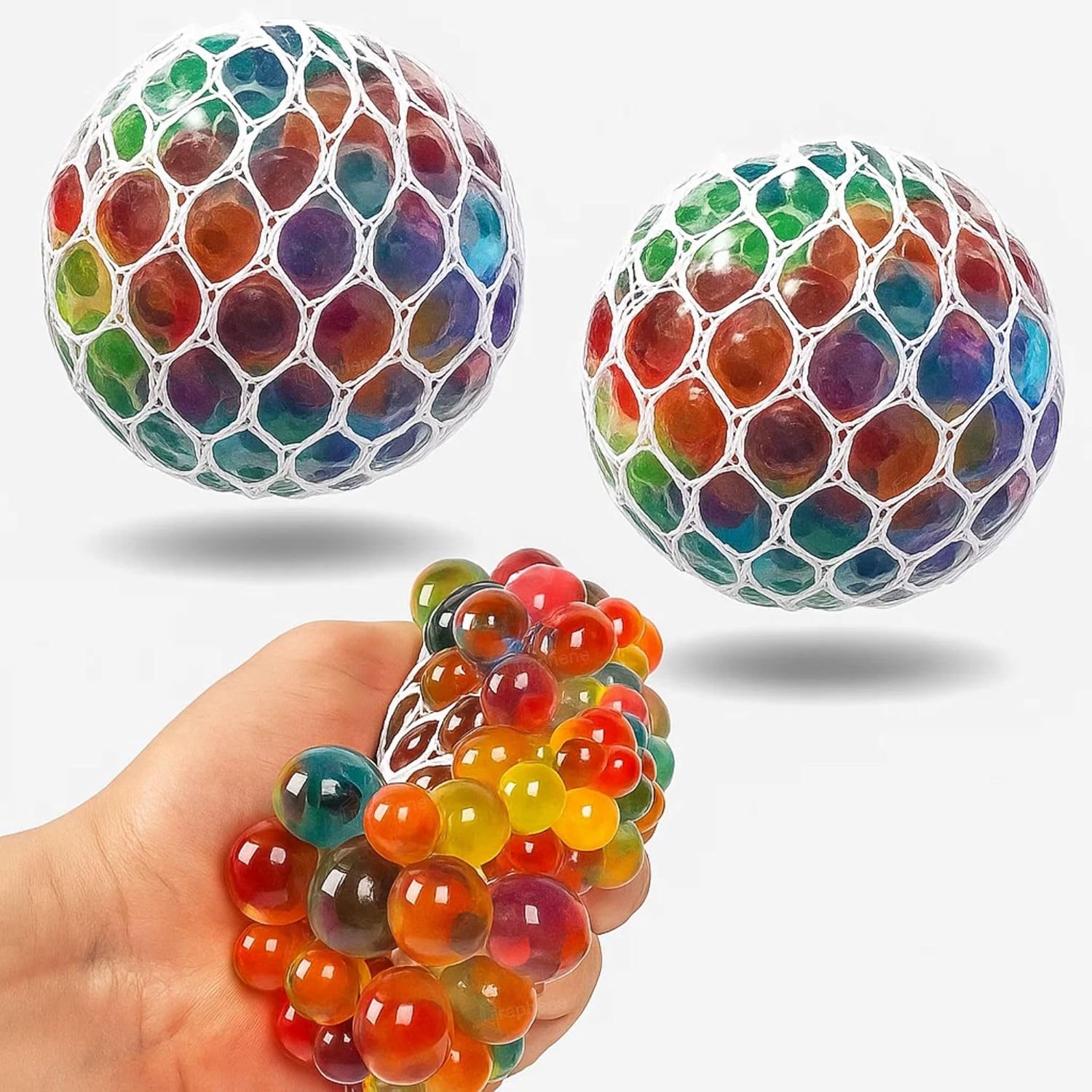
Stress Relief Squishy Ball
from Check Price
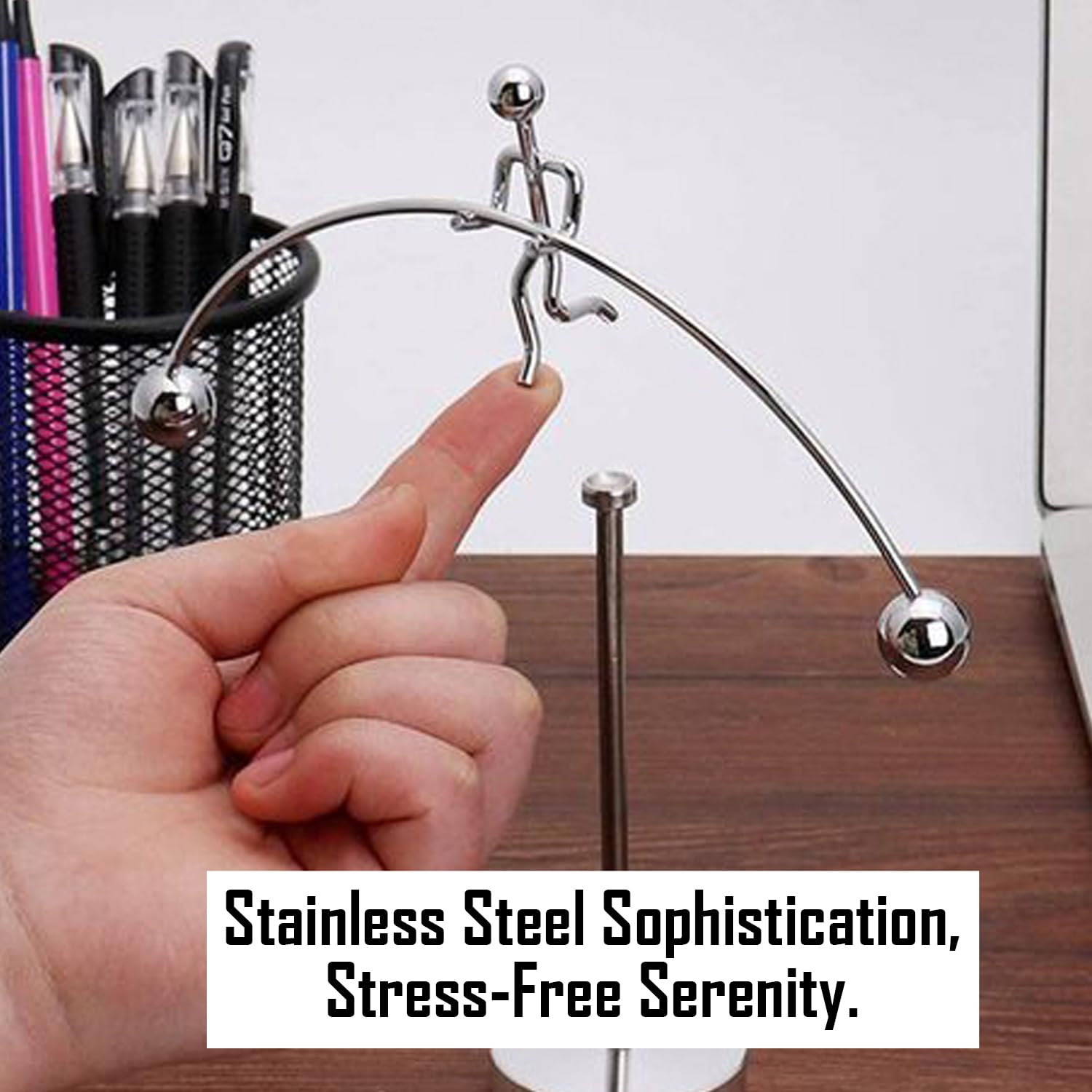
Stainless Steel Balancing Toy
from Check Price

Gel Exercise Ball - Hand Therapy
from Check Price

Desktop Punching Bag
from Check Price
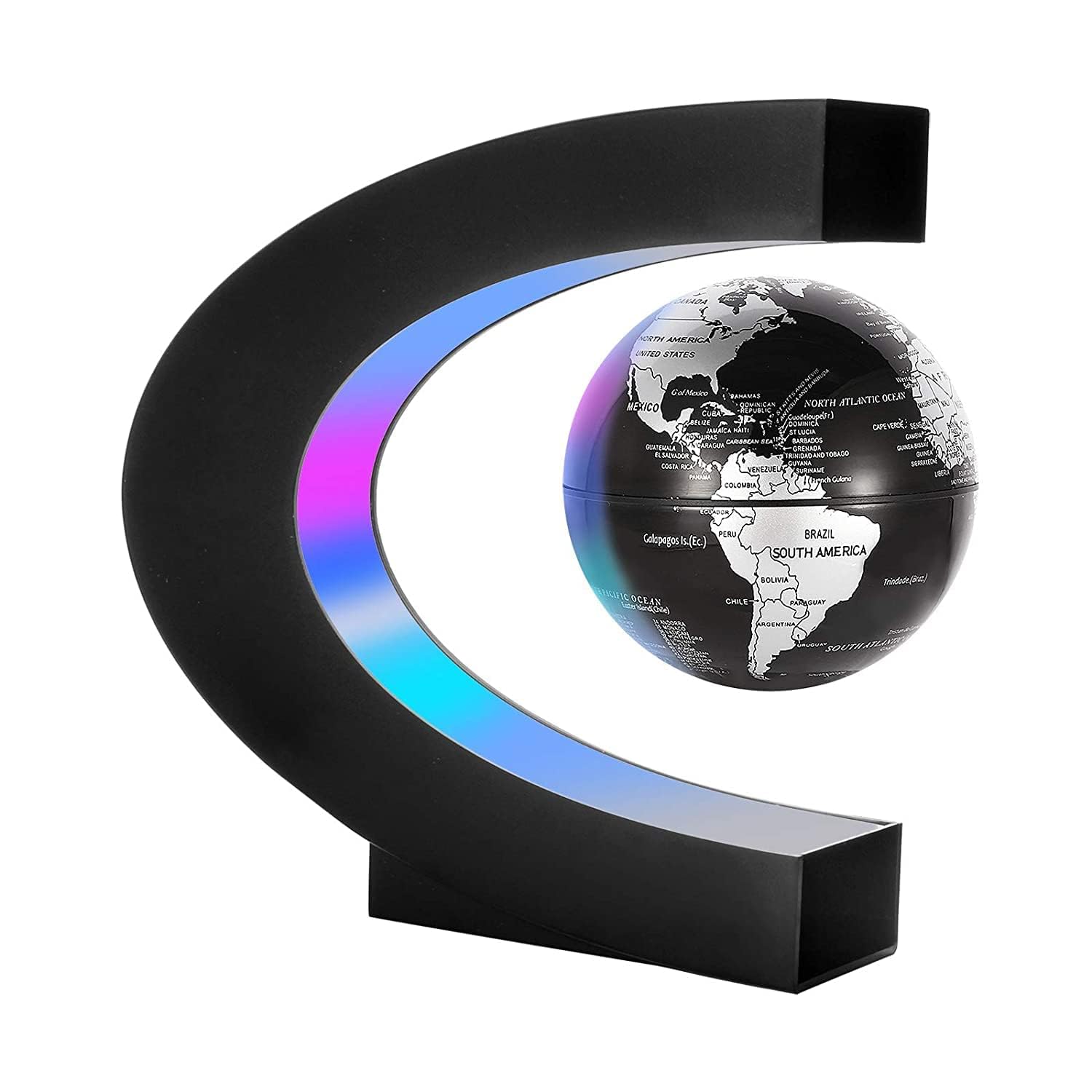
Floating World Map Globe
from Check Price
Wooden Wall Hanging Decor
from Check Price
11. Brand & Marketing Usage
The "I just can't prove it" meme has not escaped the attention of brand marketers, who have increasingly adopted the format for social media campaigns. Brands like Wendy's, Netflix, and various tech companies have deployed variations to connect with younger audiences who are fluent in meme language. The format works particularly well for brands because it allows them to be playful and self-deprecating without making any claims that require substantiation—a marketer's dream.
Examples of brand usage include food companies suggesting their product is "definitely the best thing you'll eat today—I just can't prove it," streaming services hinting at upcoming releases with "something big is coming... I just can't prove it yet," and tech brands poking fun at competitors with plausibly deniable jabs. The meme's built-in disclaimer ("I can't prove it") provides legal and PR cover that traditional advertising copy doesn't, making it an unusually brand-safe format for edgy humor.
However, brand adoption also signals a potential turning point in the meme's lifecycle. Internet culture often moves on from formats once they become corporatized. Whether the "I just can't prove it" meme survives mainstream commercial adoption will be a test of its structural resilience—and so far, the format has shown no signs of slowing down.
12. Frequently Asked Questions
13. Related Searches About the "I Just Can't Prove It" Meme
People interested in this meme also frequently search for related topics across conspiracy humor, internet skepticism, and meme culture. Here are the most common related searches: