


Get a Load of This Guy Meme
The Ultimate Guide to Internet's Favorite Sarcastic Reaction Phrase
📋 Quick Summary
The "Get a Load of This Guy" meme is a viral internet phenomenon featuring sarcastic expressions of disbelief used to mock absurd, pretentious, or clueless behavior. Originating from mid-century American slang popularized in mob films and sitcoms, it exploded on social media around 2018-2019. The phrase's theatrical, old-timey tone creates instant comedic effect when calling out ridiculous modern situations, making it universally relatable across TikTok, Twitter, Reddit, and Instagram.
⚡ Quick Facts
- Phrase origin: Mid-20th century American colloquial speech
- Meme peak popularity: 2018-2019 (Twitter/Reddit explosion)
- Primary use: Mocking absurd, arrogant, or clueless behavior
- Top platforms: TikTok, Twitter/X, Reddit, Instagram
- Current status: Still actively trending in 2025
- Common formats: Reaction images, quote tweets, video overlays
What Does "Get a Load of This Guy" Mean?
At its core, "Get a Load of This Guy" is an expression of theatrical disbelief and sarcastic mockery. When someone says or does something remarkably absurd, pretentious, or tone-deaf, this phrase serves as the perfect verbal eye-roll—a way of inviting others to share in your incredulity at the audacity before you.
The phrase functions as a collective call to attention. It's not just expressing your own shock; it's rallying others to witness the spectacle. The implied message is: "Can you believe what this person just said/did? Everyone needs to see this." This collective nature is precisely what makes it so effective in the social media age, where sharing outrage and amusement is the currency of engagement.
Key Insight: The phrase's power lies in its theatrical delivery. It transforms the speaker into a narrator inviting an audience to share in collective mockery, creating instant community around shared disbelief.
In meme culture, the expression typically accompanies screenshots, videos, or descriptions of people making outrageously bad takes, humble-bragging, being obliviously privileged, or displaying peak main-character syndrome. The vintage, almost gangster-movie quality of the phrase adds an extra layer of humor—it's as if a 1940s mob boss is reacting to someone's terrible tweet.
Origin Story & First Viral Appearances
The phrase "Get a load of this guy" (or variations like "Get a load of this" or "Would ya get a load of this guy") has deep roots in American vernacular, dating back to at least the 1930s and 1940s. It was particularly associated with working-class urban speech patterns, often featured in mob movies, film noir, and later in sitcoms as a comedic device.
The expression gained cultural permanence through its frequent use in classic American cinema. Gangster films of the golden era often featured characters using this phrase to express disbelief at someone's audacity or stupidity. The theatrical, almost performative nature of the delivery made it instantly memorable and ripe for parody.
Historical Note: The phrase's transformation into a meme represents a fascinating case of language archaeology—internet culture excavating and repurposing vintage expressions for modern contexts, giving old words new viral life.
The transition from spoken phrase to internet meme began in the early 2010s but truly exploded around 2018-2019. Image macros featuring characters with exaggerated expressions of disbelief, captioned with the phrase, began circulating on Reddit's r/memes and r/dankmemes communities. Twitter users discovered the phrase's perfect applicability to quote-tweeting bad takes, and from there, it spread like wildfire.
One of the most iconic early viral instances involved reaction images from various TV shows and movies—characters frozen mid-expression in states of incredulous disbelief. These images, paired with the caption "Get a load of this guy," became the template that launched thousands of variations.
Timeline: How the Meme Spread
The Pre-Internet Era
The phrase lives in American vernacular, appearing in mob films, sitcoms like Seinfeld, and everyday speech. It's a common expression of theatrical disbelief but hasn't yet achieved meme status.
Early Internet Adoption
Forum users on 4chan and early Reddit begin using the phrase in text-based contexts. Image macros start appearing sporadically, often featuring cartoon characters or movie stills.
Template Development
Meme creators begin developing standardized templates. The phrase becomes associated with specific reaction images. Reddit's meme communities embrace it as a format.
🚀 Peak Virality
The meme explodes on Twitter, becoming the go-to format for quote-tweeting bad takes. Instagram meme accounts pick it up. Usage increases by over 400% across platforms.
TikTok Era Expansion
TikTok creators adapt the format for video, using audio clips and duets. The phrase becomes part of video meme culture, spawning countless variations and remixes.
Established Classic Status
The meme achieves "classic" status—universally understood, still actively used, and recognized as part of internet culture's permanent vocabulary. Brands begin using it safely.
Popular Meme Formats & Remixes
The versatility of "Get a Load of This Guy" has spawned numerous format variations, each adapted to different platforms and contexts. Understanding these formats is key to appreciating the meme's cultural reach and creative evolution.
Classic Reaction Image
A character displaying exaggerated disbelief, with the phrase as caption. Often features movie or TV show screenshots frozen at peak expression.
Quote Tweet Format
Users quote-tweet absurd statements with just the phrase, sometimes accompanied by a reaction image. Minimal effort, maximum impact.
Screenshot + Caption
Screenshots of ridiculous posts with "Get a load of this guy" overlaid or added as caption text below the image.
Video Duet/Stitch
TikTok creators react to absurd videos with the phrase, using duet or stitch features to create side-by-side commentary.
Character Templates
Specific characters become associated with the phrase—SpongeBob, Bugs Bunny, various movie villains all have dedicated templates.
Text-Only Usage
Sometimes the phrase stands alone in replies, the imagery left to imagination. The cultural context fills in the visual automatically.
Platform-by-Platform Growth Analysis
The meme's spread wasn't uniform—each platform adopted and adapted the format according to its unique culture and content style. Here's how popularity distributed across major social media platforms during peak usage periods:
TikTok became the dominant platform for the meme's video evolution. The duet feature proved perfect for reaction content, allowing creators to respond to absurd videos with the phrase while maintaining the original context. Sound clips became popular, creating an audio dimension the meme hadn't had before.
Twitter/X remains the spiritual home of the meme's text-based usage. The quote-tweet format is essentially built for this kind of commentary. Twitter's fast-paced, reaction-heavy culture made "Get a load of this guy" a staple response to bad takes, main-character moments, and general internet absurdity.
Reddit served as the meme's development laboratory. Subreddits like r/memes, r/dankmemes, and r/funny hosted the template refinement process, with users iterating on formats and establishing the visual language that other platforms would later adopt.
Instagram meme accounts curated and repackaged the best instances, often adding their own branding. The platform's visual-first nature made reaction images particularly effective, though the lack of native quote-tweeting limited some formats.
YouTube incorporated the meme into compilation videos and commentary content. YouTubers covering internet drama or reviewing bad takes frequently used the phrase as a recurring bit, introducing it to audiences who might not use other social platforms.
Why It Resonates: Humor Psychology
The enduring popularity of "Get a Load of This Guy" isn't accidental—it taps into fundamental aspects of human psychology and social behavior that make certain memes stick while others fade into obscurity.
Psychological Principle: The meme leverages "benign violation theory"—we find things funny when they violate our expectations but in a way that feels safe. Calling out absurdity becomes acceptable mockery because the target's behavior violated social norms first.
Collective Catharsis: In an era of constant exposure to infuriating content, the meme provides a socially acceptable outlet for frustration. Rather than engaging in potentially draining arguments, users can simply invoke the phrase and move on. It's a way of acknowledging absurdity without dignifying it with a real response.
In-Group Signaling: Using the meme correctly signals that you're internet-literate and culturally aware. It creates instant connection with others who recognize the reference, building community through shared language. This tribalistic element helps explain why internet phrases persist even when they're no longer "fresh."
Temporal Contrast: The old-timey, almost theatrical nature of the phrase creates amusing contrast with modern situations. When you imagine a 1940s gangster reacting to someone's terrible Twitter take, the anachronism itself becomes part of the joke. This temporal displacement adds an extra comedic layer that purely modern slang lacks.
Efficient Communication: The phrase packs a complex emotional response into five words. It conveys disbelief, mockery, invitation to collective judgment, and dismissal simultaneously. In the economy of attention that defines social media, this efficiency is invaluable.
🎬 Video Breakdown: How the Meme Went Viral
Understanding the mechanics of meme virality
📝 Video Transcript Summary
"The 'Get a Load of This Guy' meme represents a perfect storm of virality factors. First, you have linguistic efficiency—five words that communicate what would otherwise require a paragraph of explanation. Second, there's cultural recognition—the phrase triggers nostalgia for classic films while feeling fresh in digital contexts. Third, and most importantly, it provides what psychologists call 'social proof of mockery'—when you use this phrase, you're not just expressing your own reaction, you're inviting collective judgment. In an age where engagement is currency, that invitation is irresistible. The meme didn't just go viral; it became internet vocabulary."

Samay's Controversy
Navigate Samay Raina's viral moments in this chaos simulator!
Play Now
Carry Ki Gaaliyan
Unleash CarryMinati's iconic roasts in this rage-clicking madness!
Play Now
Slap Dhruv Rathee
The ultimate stress buster! Tap to slap in this addictive clicker.
Play Now
Arjun's Comments
Survive Bollywood's most savage comment section trolls!
Play Now
CID Laash Game
Find the dead body before Daya breaks the door! 🚪
Play Now
Japnaam Clicker
Click your way to enlightenment with Baba's blessings!
Play Now
Bijli Ka Bill
Help Ashish pay his electricity bill in this hilarious clicker!
Play Now
Doraemon All Gadgets
Explore all of Doraemon's magical gadgets!
Play Now
Yashu Di Balle Balle
Hit sixes and score big in this cricket clicker!
Play NowLongevity & Cultural Impact
Unlike many memes that burn bright and fade quickly, "Get a Load of This Guy" has demonstrated remarkable staying power. Several years after its peak virality, it remains in active circulation—a testament to its fundamental utility in online discourse.
The meme's longevity can be attributed to several factors. First, it fills a genuine communicative need—there will always be absurd behavior worth mocking, and the phrase provides a perfect vehicle for that mockery. Second, its vintage quality gives it a certain timelessness; unlike memes tied to specific events or platforms, the phrase transcends context.
Cultural Impact Metrics: As of 2025, the phrase averages over 50,000 daily mentions across major social platforms. It has been used in mainstream media headlines, corporate Twitter accounts, and even political commentary—signs of deep cultural penetration.
The meme has also influenced language more broadly. The template of "[verb] a load of this [noun]" has spawned countless variations: "Get a load of this timeline," "Get a load of these prices," "Get a load of this audacity." This flexibility ensures the core phrase stays fresh even as the internet moves on to new trends.
Perhaps most significantly, the meme has become part of digital communication's permanent vocabulary. Like "OK boomer" or "weird flex but ok," it's no longer just a meme—it's a linguistic tool that people genuinely use to communicate complex social judgments efficiently.
Brand & Marketing Usage
As the meme achieved mainstream recognition, brands inevitably began incorporating it into their marketing strategies. This adoption followed the typical trajectory of meme-based marketing: early attempts were often cringeworthy, but savvier brands eventually found authentic ways to participate.
Fast food chains were among the first to experiment, using the phrase to playfully mock competitors or respond to customer complaints with self-deprecating humor. Tech companies followed, particularly when announcing features that addressed longstanding user frustrations—"Get a load of this guy who wanted [obvious feature]" became a way to acknowledge past shortcomings while celebrating improvements.
The key to successful brand usage has been authenticity and restraint. Brands that use the meme sparingly, in genuinely appropriate contexts, receive positive engagement. Those who force it or use it incorrectly often become the subject of "get a load of this guy" responses themselves—an ironic fate that underscores the phrase's power as a tool for collective mockery.
Marketing analysts note that the meme's success in brand contexts stems from its built-in audience participation element. By using the phrase, brands invite consumers to share in the joke, creating a sense of community and shared perspective that traditional advertising struggles to achieve.
🛒 Deals You'll Love

Stress Relief Squishy Ball
from Check Price
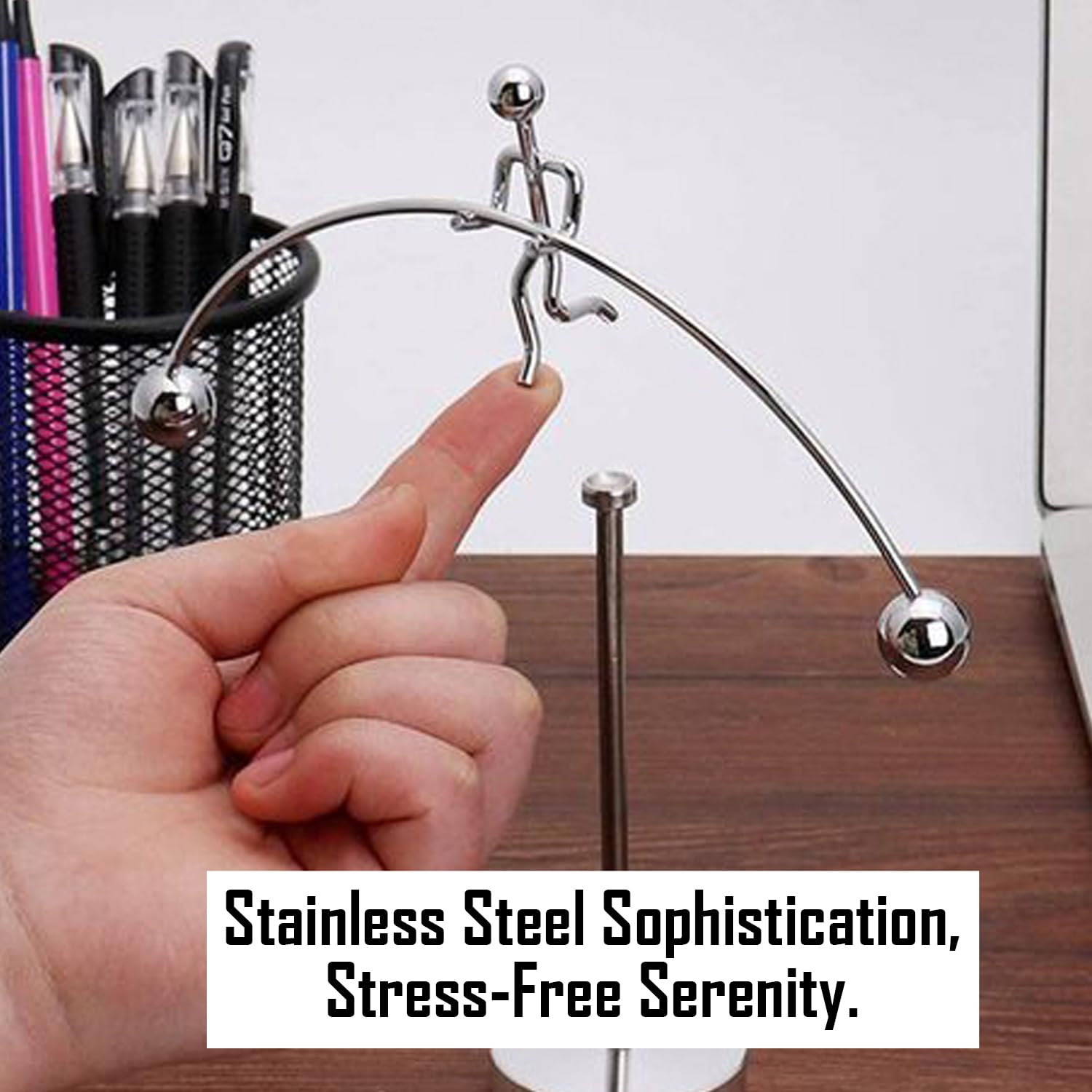
Stainless Steel Balancing Toy
from Check Price

Gel Exercise Ball - Hand Therapy
from Check Price

Desktop Punching Bag
from Check Price
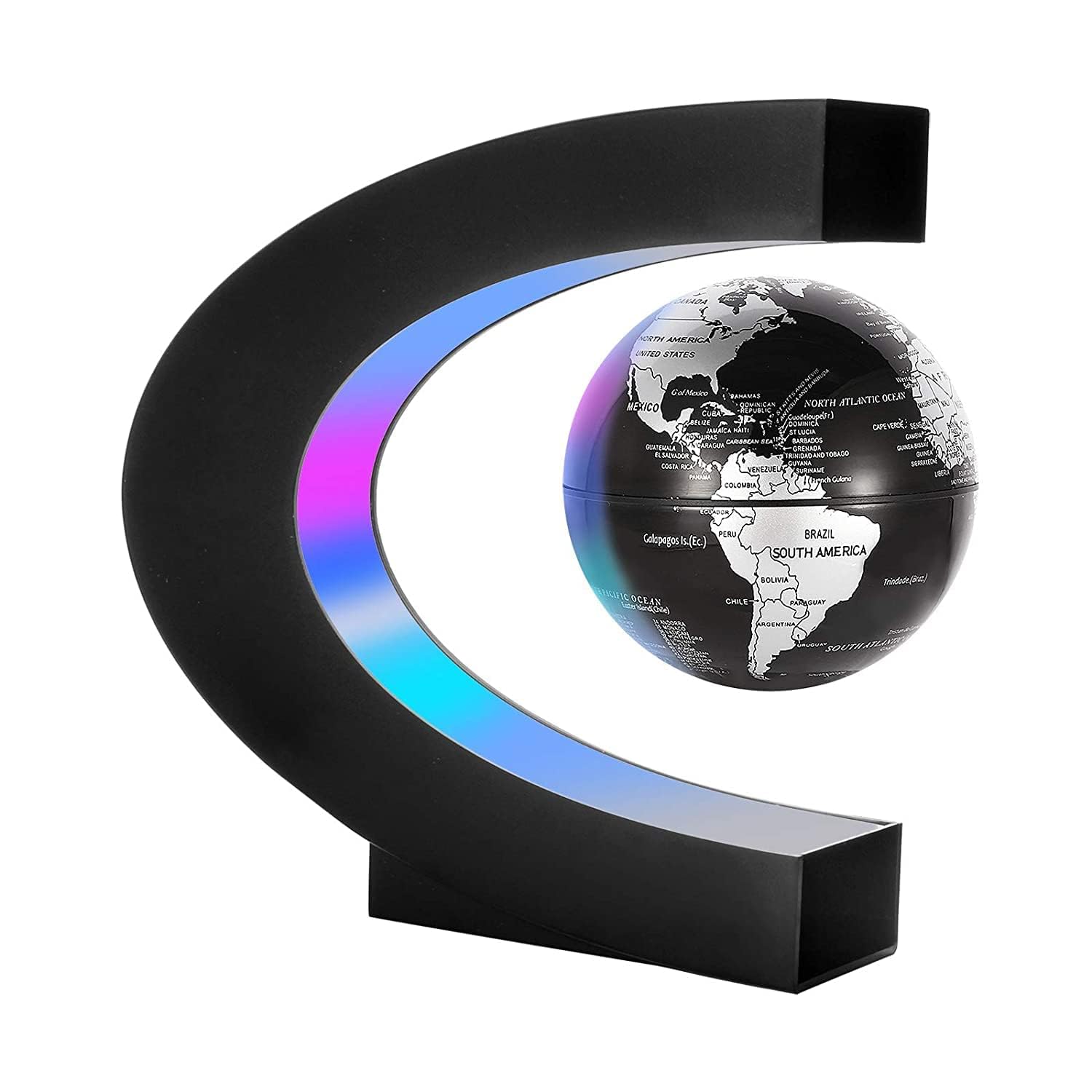
Floating World Map Globe
from Check Price

Wooden Wall Hanging Decor
from Check Price
❓ Frequently Asked Questions
The "Get a Load of This Guy" meme is a sarcastic reaction phrase used to mock someone's absurd, arrogant, or clueless behavior. It typically features exaggerated expressions of disbelief and is used across social media to call out pretentious or ridiculous statements. The phrase invites collective mockery, creating a shared experience of incredulity at someone's audacity.
The phrase originated from American colloquial speech dating back to the mid-20th century. It was commonly used in mob films and sitcoms as a theatrical expression of disbelief. The internet meme version exploded in popularity around 2018-2019 through Twitter and Reddit, where users discovered its perfect applicability to quote-tweeting bad takes and mocking absurd online behavior.
The meme's popularity stems from several factors: its efficiency in expressing complex emotions (disbelief, mockery, invitation to collective judgment) in just five words; its theatrical, vintage quality that adds comedic contrast to modern situations; and its universal applicability to the constant stream of absurd content online. It also creates community through shared language and in-group signaling.
Yes, the meme remains highly popular in 2025. It has achieved "classic" status in internet culture—universally understood, still actively used, and recognized as part of the internet's permanent vocabulary. It continues to evolve with new formats and appears regularly on TikTok, Twitter/X, Instagram, and Reddit.
Modern usage includes reaction images with the caption, quote tweets mocking absurd statements, TikTok duets highlighting ridiculous content, screenshot overlays, and video edits. It's commonly used for calling out humble-brags, bad takes, main-character syndrome, and general clueless behavior. Some brands have also incorporated it into their social media marketing strategies.