

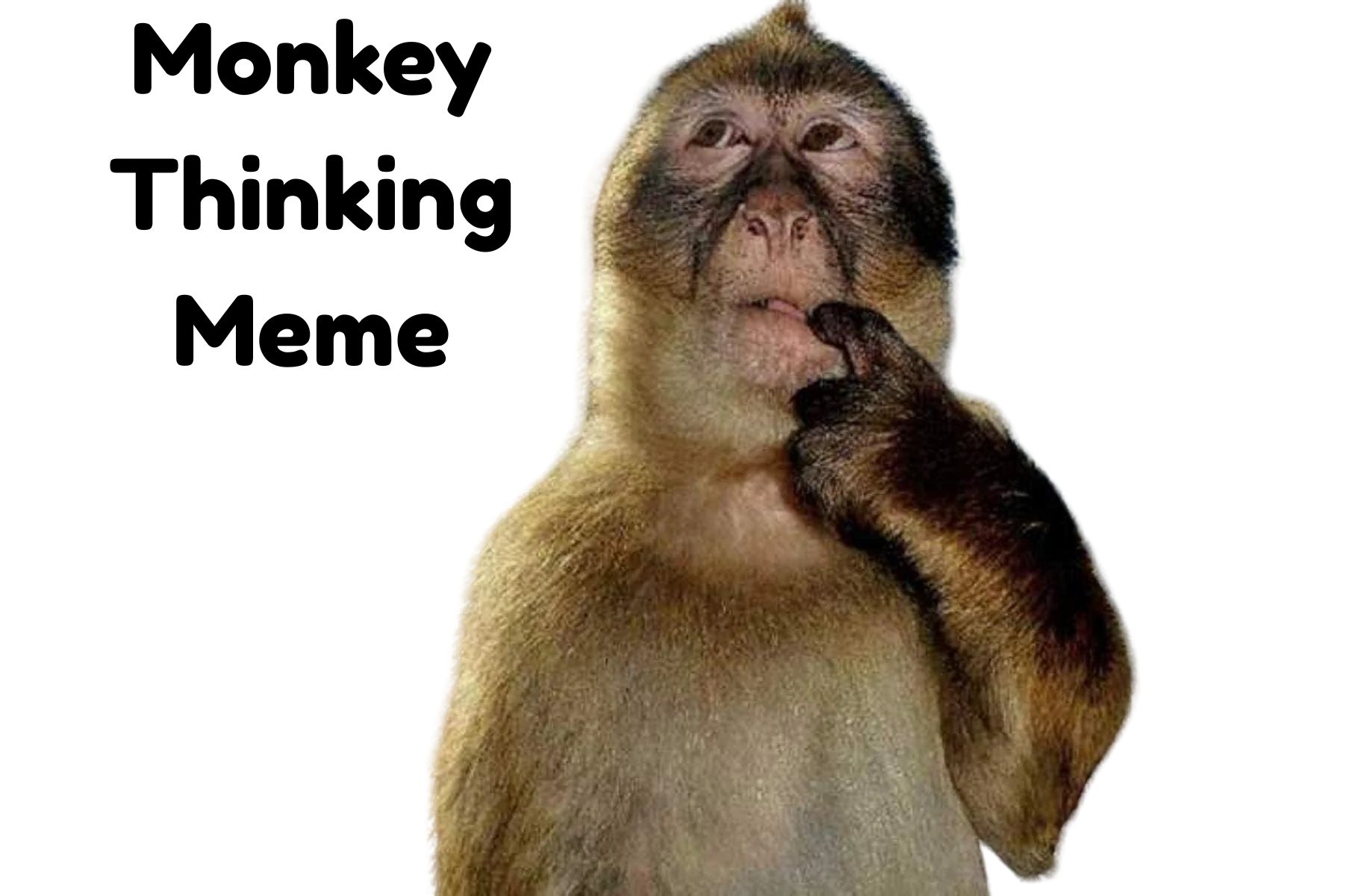
 The iconic Monkey Thinking Meme — internet's favorite philosopher
Monkey Thinking Meme: Origin, Meaning & Why It Went Viral
⚡ Quick Facts
- Meme Name: Monkey Thinking Meme / Pondering Monkey Meme
- Origin: Reddit & 4chan (~2018–2019)
- Peak Virality: 2020–2023, resurging 2025–2026
- Platforms: TikTok, Reddit, X/Twitter, Instagram, YouTube
- Common Variants: Confused monkey meme, thinking chimp meme, monkey staring meme
- Usage: Reaction images, video overlays, marketing content
What Is the Monkey Thinking Meme?
The monkey thinking meme is one of the internet's most enduring reaction images. At its core, it features a primate — most often a chimpanzee, orangutan, or capuchin — caught in a moment of deep, almost philosophical contemplation. The animal's expression appears startlingly human: brow slightly furrowed, eyes gazing into the middle distance, sometimes with a hand resting on its chin in a pose eerily reminiscent of Auguste Rodin's famous sculpture, The Thinker.
What makes the pondering monkey meme so effective is its simplicity. Unlike memes that require cultural context or inside knowledge, the image communicates instantly. Everyone has experienced that moment of being lost in thought — staring at the ceiling at 2 AM wondering why they said "you too" when the waiter said "enjoy your meal." The confused monkey meme captures that universal feeling with disarming accuracy.
The meme exists in several formats: static images, animated GIFs, and short video clips. The most iconic variant — sometimes called the deep thinking monkey meme — shows an orangutan in a seated position, one arm resting on its knee, chin propped on its fist, staring into the void with what can only be described as existential weight. It's funny because it's relatable. It's relatable because, on some primal level, we recognize ourselves in that gaze.
Origin & First Viral Appearances
Tracing the exact origin of the monkey thinking meme is like tracing the source of a river — there are multiple tributaries. The earliest documented uses appear on 4chan's /an/ (animals & nature) board and Reddit's r/memes and r/dankmemes communities between 2018 and 2019. Users began sharing cropped screenshots from nature documentaries — BBC's Planet Earth and National Geographic specials — where primates were caught in contemplative poses.
The breakout moment came when a particular stock photo of an orangutan — sitting cross-legged with its chin resting on its hand — was paired with captions about overthinking trivial decisions. One of the earliest viral iterations featured the text: "Me at 3 AM wondering if fish get thirsty." This simple juxtaposition of a monkey brain meme format with absurdist humor was the spark that lit the fire.
By early 2019, the thinking chimp meme had migrated to Twitter (now X), where it found a massive audience among shitposters and irony-account operators. The meme's flexibility — it could be used for anything from political commentary to relationship humor — made it a Swiss Army knife of reaction images. Unlike narrower memes that burn out quickly, the monkey staring meme had staying power because its meaning was whatever the user needed it to be.
Timeline: How the Meme Spread
Popular Caption Formats & Remix Styles
The monkey thinking meme thrives because of its format flexibility. Unlike memes locked into a single joke structure, the pondering primate adapts to virtually any caption style. Here are the most popular formats that have emerged over the years:
The classic overthinking format. Pairs the monkey with absurd late-night thoughts nobody asked for.
The existential crisis trigger. Perfect for moments when a casual comment unravels your worldview.
The monkey brain meme at its finest. Used when attempting basic tasks feels impossibly complex.
The minimalist approach. The monkey staring meme posted without text, letting the expression speak for itself.
The impostor syndrome special. Used in academic, professional, and social contexts.
The monkey photoshopped into famous paintings, movie scenes, or generated by AI into surreal scenarios.
Remix Evolution
The remix culture around the confused monkey meme has been remarkable. Early remixes were simple — just new captions on the same image. But by 2022, creators were producing elaborate video edits: the thinking monkey superimposed over dramatic movie soundtracks, placed into historical footage, or animated with exaggerated head movements. TikTok's green screen effect made it trivially easy for anyone to place themselves alongside the pondering primate, creating a parasocial "thinking together" dynamic that resonated with Gen Z audiences.
Platform-by-Platform Popularity
Why It Resonates: The Psychology of the Pondering Monkey
The monkey thinking meme meaning goes deeper than surface-level humor. Psychologists and meme researchers point to several factors that explain its extraordinary staying power.
Anthropomorphism is hardwired. Humans are neurologically predisposed to project emotions and intentions onto animals, especially primates. When we see a chimpanzee or orangutan in a thoughtful pose, our mirror neurons fire as if we're watching another human think. This creates an instant emotional connection that text-based or abstract memes simply cannot match. The thinking chimp meme exploits this cognitive shortcut brilliantly.
The humor of incongruity. Comedy theory suggests that humor arises from the unexpected collision of two incongruent concepts. The juxtaposition of a wild primate engaging in "human" behavior — pondering, contemplating, looking existentially burdened — creates a cognitive surprise that triggers laughter. We don't expect a monkey to look like it's questioning the meaning of life, and that gap between expectation and reality is inherently funny.
Self-deprecating relatability. In an era of curated Instagram perfection, the confused monkey meme offers a safe way to express vulnerability. Saying "I'm confused and overwhelmed" directly feels vulnerable; posting a picture of a bewildered primate with the caption "me trying to adult" achieves the same emotional release while maintaining the protective layer of humor. It's therapy via meme.
Low barrier to participation. Unlike complex meme formats that require video editing skills or niche knowledge, anyone can screenshot a monkey, add text, and post. This democratization of creation ensures a constant supply of fresh content, preventing the meme from going stale.
Why the Monkey Thinking Meme Keeps Going Viral
Most memes have a lifecycle measured in weeks. The monkey thinking meme has been circulating for nearly eight years and shows no signs of fading. Three structural factors explain this anomaly.
First, template neutrality. The meme carries no inherent political, cultural, or demographic baggage. A teenager in Tokyo and a retiree in Toronto can both use it without explanation. This cultural neutrality gives it access to every corner of the internet.
Second, emotional range. While most memes are locked into a single emotion (surprise, anger, joy), the pondering monkey meme can express confusion, contemplation, sadness, irony, wisdom, or absurdity — depending entirely on the caption. This emotional versatility means it never gets boxed into a single use case.
Third, platform agnosticism. The meme works equally well as a static image (Twitter), a GIF (Discord), a video overlay (TikTok), or a sticker (WhatsApp). It doesn't depend on any platform's unique features, so it migrates freely and survives platform-specific trend cycles.
Samay's Controversy
Navigate Samay Raina's viral moments in this chaos simulator!
Play Now
Carry Ki Gaaliyan
Unleash CarryMinati's iconic roasts in this rage-clicking madness!
Play Now
Slap Dhruv Rathee
The ultimate stress buster! Tap to slap in this addictive clicker.
Play Now
Arjun's Comments
Survive Bollywood's most savage comment section trolls!
Play Now
CID Laash Game
Find the dead body before Daya breaks the door! 🚪
Play Now
Japnaam Clicker
Click your way to enlightenment with Baba's blessings!
Play Now
Bijli Ka Bill
Help Ashish pay his electricity bill in this hilarious clicker!
Play Now
Doraemon All Gadgets
Explore all of Doraemon's magical gadgets!
Play Now
Yashu Di Balle Balle
Hit sixes and score big in this cricket clicker!
Play NowVideo Breakdown: How the Monkey Thinking Meme Went Viral
[0:00] The video opens with the iconic orangutan thinking pose — the image that launched a thousand memes.
[0:15] We trace the first documented upload on Reddit's r/dankmemes in late 2018.
[0:45] A montage shows the meme's evolution: from simple text overlays to elaborate video edits.
[1:10] Platform migration mapped: 4chan → Reddit → Twitter → Instagram → TikTok.
[1:40] Interview clips with digital culture researchers explain why primate expressions trigger human empathy.
[2:15] Side-by-side comparison of the original stock photo vs. the most viral remixed versions.
[2:50] Brand adoption examples — Netflix, Wendy's, and Duolingo all using the thinking monkey.
[3:20] The AI art revolution: thinking monkey reimagined by Midjourney and DALL-E in hundreds of styles.
[3:55] Closing: why the monkey thinking meme is classified as "evergreen" by meme historians.
Brand & Marketing Usage
The transition of the funny monkey reaction meme from underground internet humor to mainstream marketing asset is a case study in meme adoption. Brands that successfully leveraged it understood a key principle: don't force it. The most effective brand uses felt organic — as if the social media manager genuinely related to the meme, not as if a committee approved it.
Netflix
Used the thinking monkey alongside "Me deciding what to watch for the 47th time tonight" — viral tweet with 200K+ likes.
Wendy's
Responded to a competitor's ad with just the monkey staring image. No caption needed. 150K retweets.
Duolingo
"Me thinking about whether I should guilt-trip users today" — posted with the pondering monkey. Peak engagement.
Xbox
Used during game reveal season: "Gamers trying to decide which console to buy" with the deep thinking monkey.
The key lesson for marketers is timing. The viral monkey meme works best when deployed in response to real-time events or cultural moments — not as pre-planned content. The brands that earned the most engagement were the ones that reacted quickly and authentically, treating the meme as a conversation tool rather than an advertisement.
Monkey Meme Gifts & Desk Toys Fans Love
The monkey thinking meme has transcended the digital realm into physical merchandise. From desk figurines to phone cases, the pondering primate has become a symbol of internet culture that fans proudly display. Here are some of the most popular items that meme enthusiasts and desk-toy collectors are loving right now:
🛒 Deals You'll Love
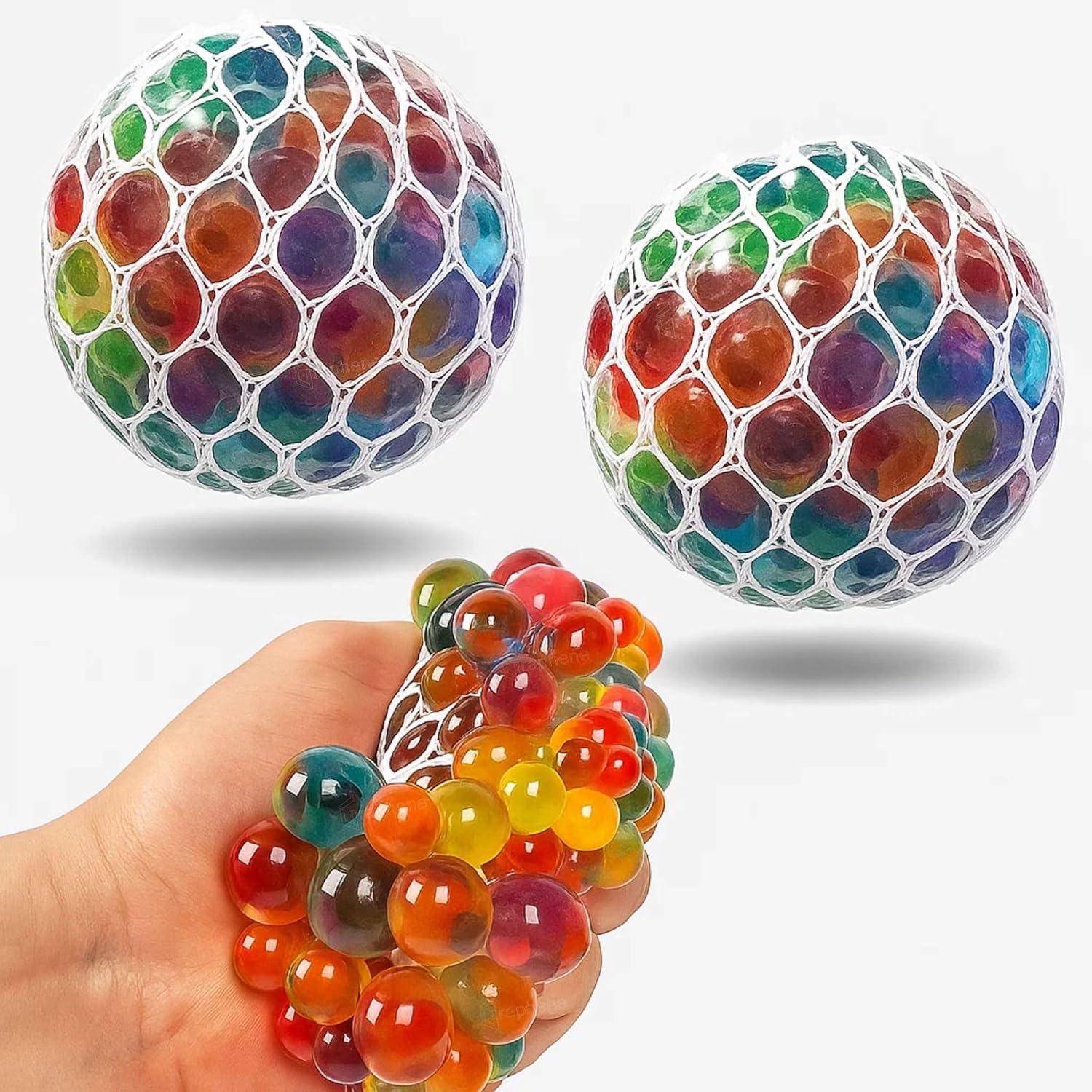
Stress Relief Squishy Ball
from Check Price

Stainless Steel Balancing Toy
from Check Price

Gel Exercise Ball - Hand Therapy
from Check Price

Desktop Punching Bag
from Check Price
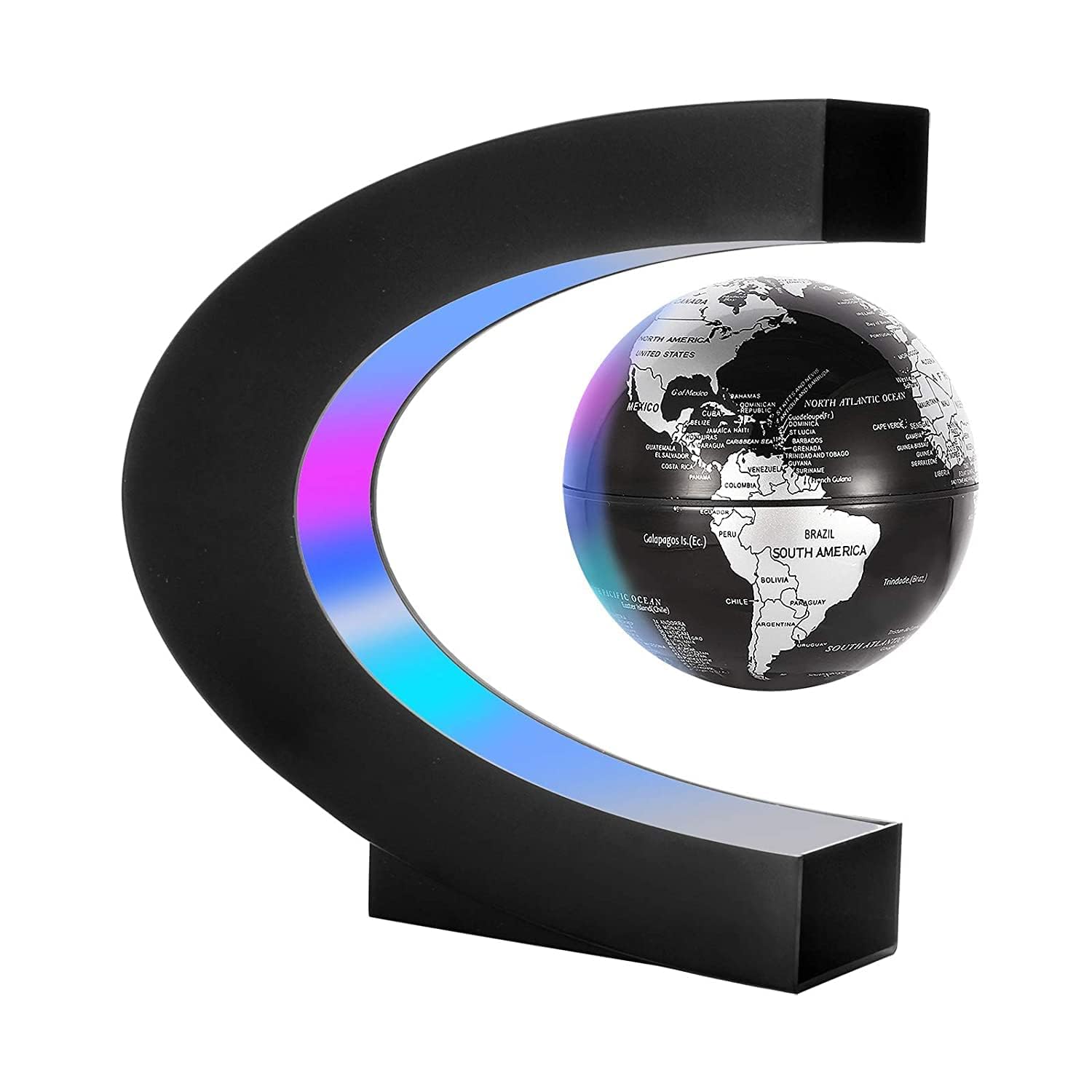
Floating World Map Globe
from Check Price
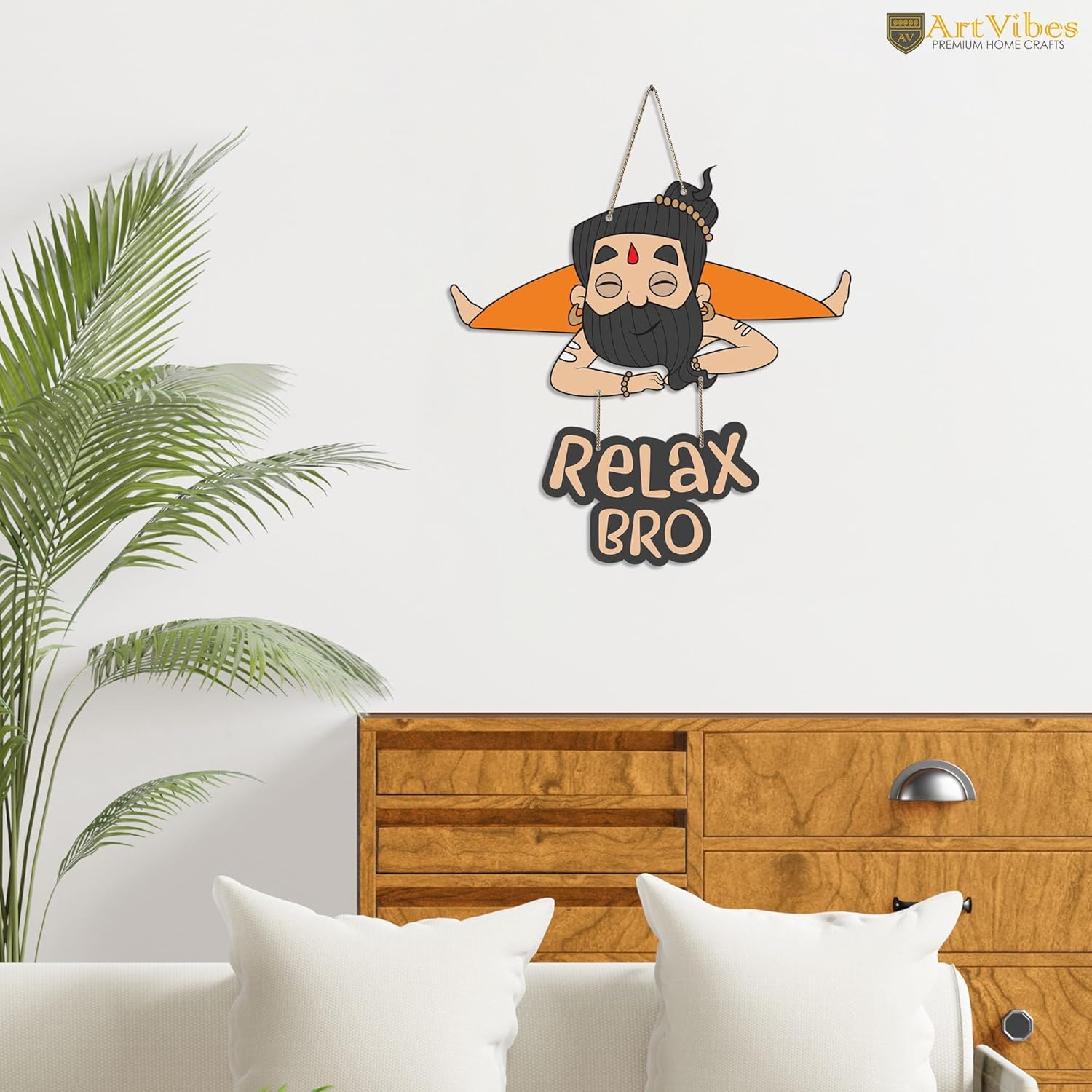
Wooden Wall Hanging Decor
from Check Price
Longevity & Cultural Impact
Few memes survive beyond a single trend cycle. The monkey thinking meme has not only survived — it has become a permanent fixture of internet vocabulary. Meme historians (yes, that's a real field now) classify it alongside "Distracted Boyfriend," "Drake Approving/Disapproving," and "This Is Fine" as one of the internet's "immortal memes" — formats so versatile and universally understood that they transcend generational and cultural boundaries.
The cultural impact extends beyond humor. The pondering monkey meme has been used in educational contexts (teachers using it to explain philosophical concepts), in mental health discussions (as a lighthearted way to discuss anxiety and overthinking), and in political commentary (expressing bewilderment at policy decisions). Its neutrality makes it a Rorschach test — people project their own meanings onto it.
Perhaps most significantly, the deep thinking monkey meme has influenced visual culture. The "animal in a human pose" format it popularized has spawned dozens of derivative memes: cats staring contemplatively, dogs looking confused, capybaras appearing zen. The monkey was the template that proved animal reaction images could carry genuine emotional weight — not just be cute, but be meaningful.
As we move deeper into the AI era, the meme continues to evolve. AI-generated variations place the thinking monkey in impossible scenarios — underwater boardrooms, Martian landscapes, Renaissance courts — extending its lifespan far beyond what anyone predicted when some anonymous 4chan user first posted a documentary screenshot with the caption "me trying to figure out taxes." That's the beauty of the viral monkey meme: it started simple, and it will end... well, it won't end. That's the point.